


Google has expanded access to AI-enabled Canvas to all users in the US in English, after first rolling out the feature as part of its Google Labs experiments last year.
Canvas in AI Mode is designed to help users organize and plan projects or delve into deeper research. The feature now supports the ability to compose documents or create custom tools within Google Search, the company said in a blog post.
Google has previously suggested using Canvas for tasks like creating a study guide by uploading class notes and other resources. the feature can also complete other tasks, such as turning a research report into a web page, quiz, or audio overview, which has some overlap with Google’s Notebook LM research tool.
Users can outline an idea on Canvas and watch as it creates the code to turn that idea into a shareable app or game. The feature can also be used to improve creative writing drafts and get feedback on projects.
Canvas is already available on Gemini, where Google AI Pro and Google AI Ultra subscribers have access to the latest model, Gemini 3, and a larger context window of 1 million tokens for more complex projects.
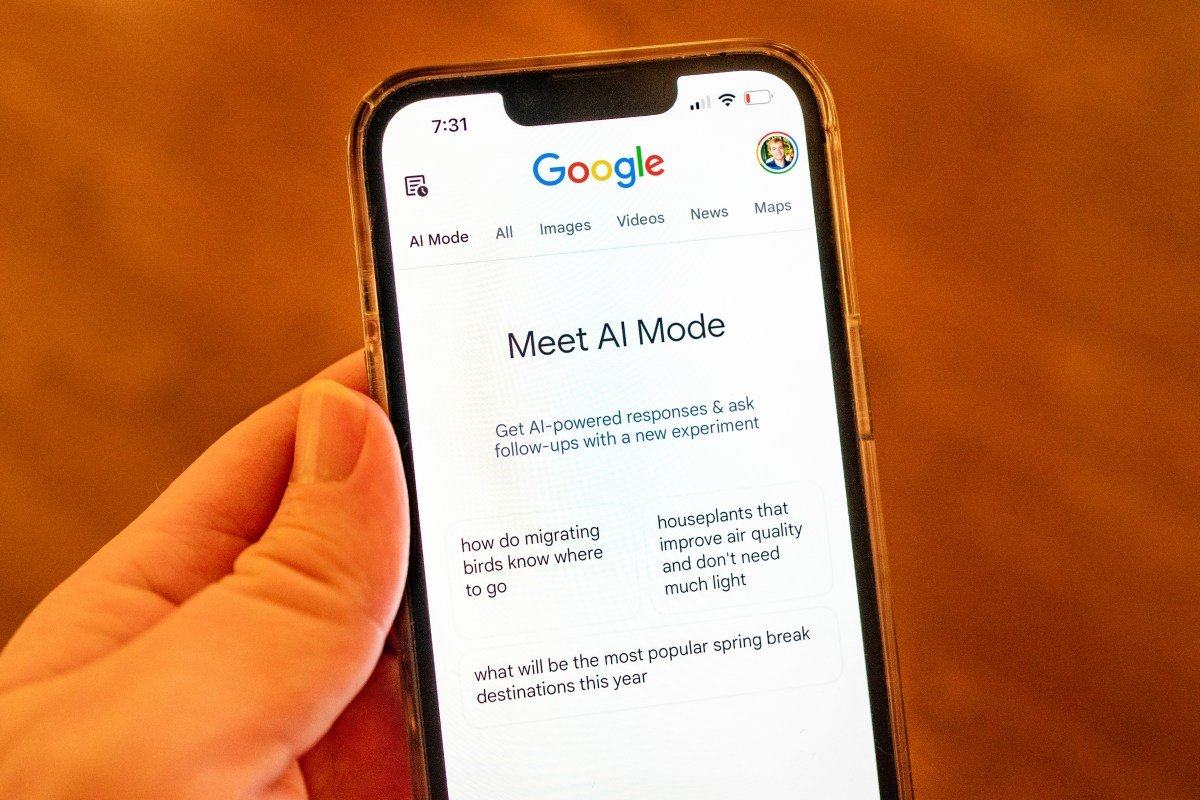
More people will be exposed to Canvas now that it’s available to all users in the US through Google’s AI search feature known as AI Mode, including those who haven’t yet dabbled with Gemini’s capabilities. That’s one of Google’s strengths in the AI race — the reach of Google Search gives it the power to put its products in front of billions of users.

To use Canvas, users select the new Canvas option from the tools menu (+) while in AI mode, then describe what they want to create. This opens a Canvas sidebar where users can gather information from the web and the Google Knowledge Graph. If they build a prototype or app, users can test functionality, toggle to see the underlying code, and improve how the app works by talking to Gemini.
Canvas competes against similar tools from competitors such as OpenAI and Anthropic. However, ChatGPT’s Canvas feature is automatically enabled based on the query, while Google and Anthropic’s Claude require more direct interaction. Both also allow users to get help with writing or turn ideas into projects.
