


The stakes are high for any founding team, so conflict should be expected, even encouraged. However, company culture is based on real reactions and interactions, not the values you put on the wall. If team members see the co-founders or leadership team getting heated and falling into counterproductive fights, that doesn’t lend itself to a respectful, growth spirit.
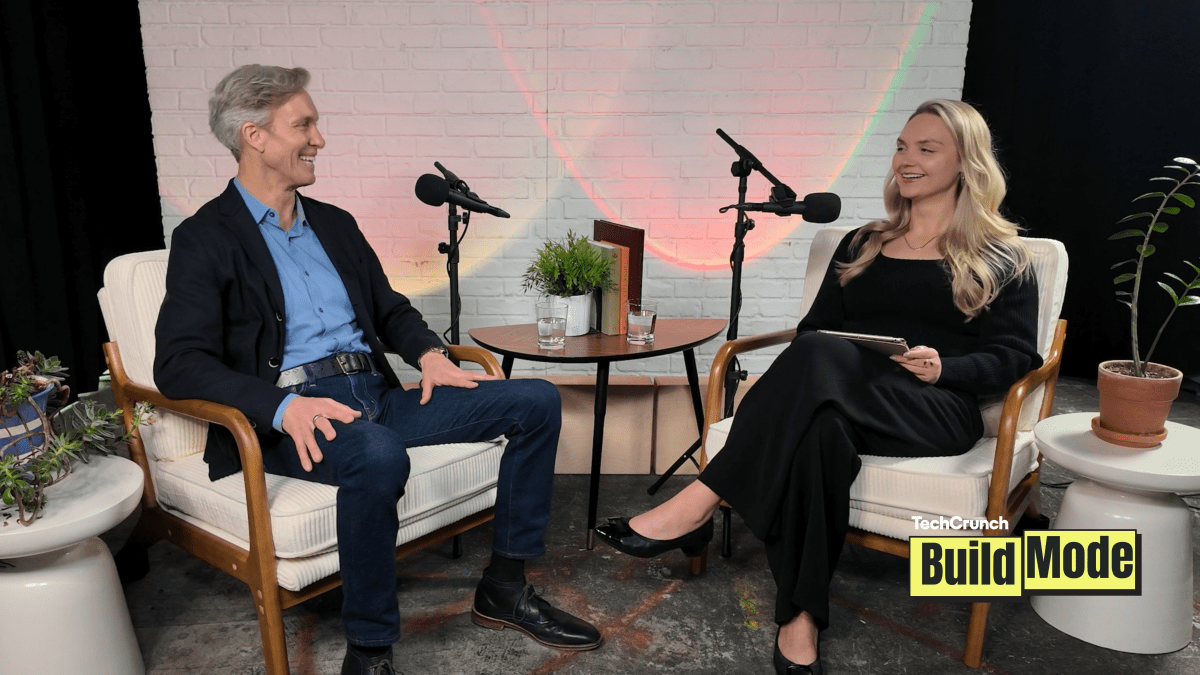
Fortunately, it is possible to repair this dynamic and do the work to learn how to navigate conflict in a healthy way. Ian Schmidt is a strategic consultant at Trimergencea consultancy that guides leaders to become more effective from the inside out. In a recent episode of Build Mode, Schmidt discussed how founders and teams should update their personal operating systems.
“Businesses have a human operating system, and that human operating system needs an upgrade process over time, just like your product and go-to-market strategy does,” Schmidt said. “So we work with leaders and teams to map their operating system, how they think, how they manage conflict, how they make decisions, and really provide them with what we call a noise reduction algorithm.”
In practice, this means founders can create frameworks to work through conflict and change when the team is just two or three people, and if done right, can scale with the company.
Schmidt offered a framework that any founder, leader, or even team member can apply when conflict arises:
Pause and do an “inner 360” about what just happened
When a conflict doesn’t go well, it’s vital to take stock of the conversation and own your part in it. Maybe you lashed out, escalated the conflict, or created a bad moment in front of the team. Don’t try to rush into a solution, take a second to introspect, report what happened and try to imagine how it might have affected others.
Connect this incident with a pattern
When conflicts do heat up, it’s very rarely a single issue. Take time to see the pattern in this behavior. “How does this relate to something I know about myself? Oh, my partner tells me this all the time, or I’ve seen this over time growing up, or I’ve gotten this feedback in the past. So you have both the situation and the pattern,” Schmidt said.
Techcrunch event
San Francisco, California
|
13-15 October 2026
Go to others affected
After reflection, go to your team members for any interpersonal repairs they need. In this conversation, it’s very helpful to state what you think happened and how it may have affected them, to explicitly own your own role in it, and to ask them how it came about for them. Be open to receiving their experience and feedback, and let that conversation lead to recalibration.
This honesty and ownership will lead to more trust in the team and more constructive conflict down the road.
Listen to the full episode of Build Mode for more tactical tips on building your team.
Apply to Startup Battlefield: We are looking for early stage companies that have an MVP. So name a founder (or yourself). Make sure you’ve heard about Startup Battlefield from the Build Mode podcast. Apply here.
TechCrunch Disrupt 2026: We’re back for TechCrunch Disrupt on October 13-15 in San Francisco, where Startup Battlefield 200 takes the stage. So if you want to cheer them on or just network with thousands of founders, VCs and tech enthusiasts, then get your tickets.
Use code buildmode15 for 15% off any ticket type.
Isabelle Johannessen is our host. Construction mode Produced and edited by Maggie Nye. Head of Audience Development is Morgan Little. And a special thanks to the Foundry and Cheddar video teams.
