


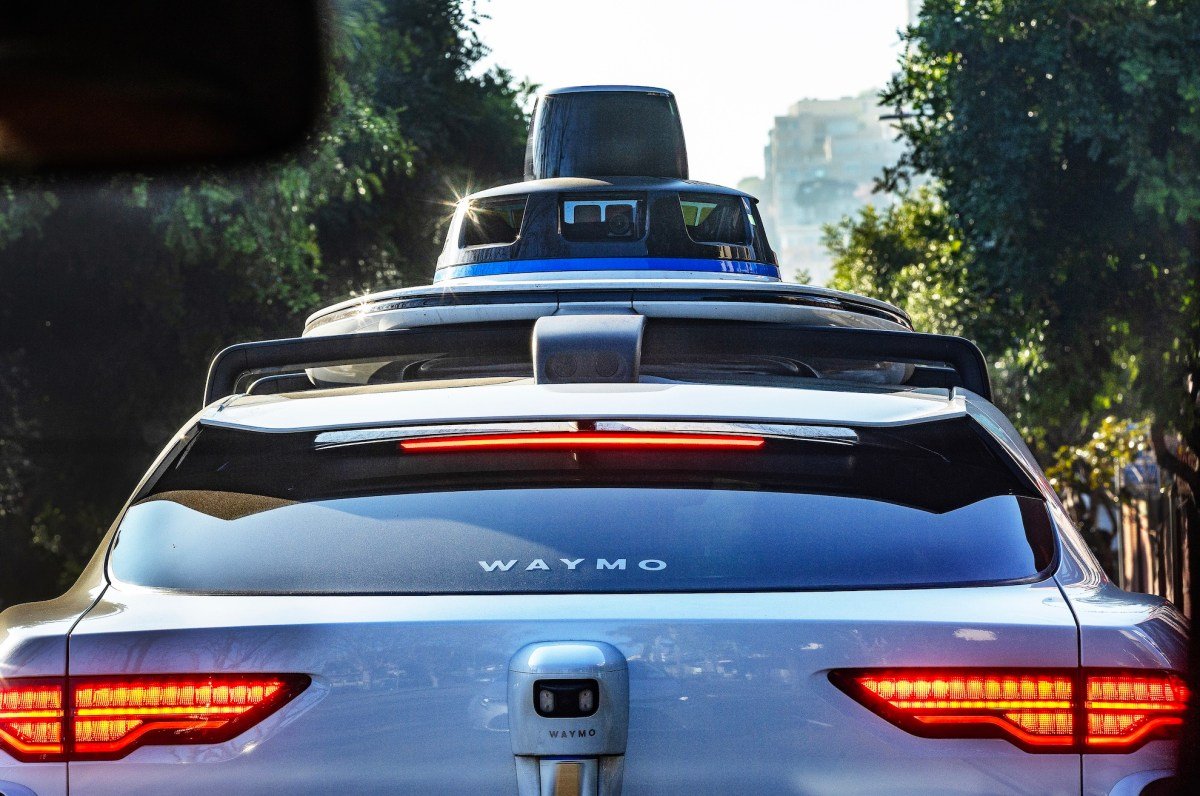
Waymo is opening its robotaxi services to the public in Dallas, Houston, San Antonio and Orlando as the Alphabet-owned self-driving vehicle company accelerates its pace of expansion.
Waymo’s rollout will mimic its public releases in previous cities. Select riders who have downloaded the Waymo app will receive an invitation to take their first rides, starting Tuesday. New riders will be added on a rolling basis, and eventually anyone who downloads the app will be able to take a ride.
The addition of the new cities adds an impressive dimension to Waymo’s rapid push for expansion. As of last February, Waymo was running commercial robotaxi services in Phoenix and some of the surrounding suburbs, parts of Los Angeles and San Francisco. At the time, Alphabet CEO Sundar Pichai said Waymo provided more than 200,000 rides each week.
Over the past 12 months, Waymo has expanded into its existing markets, particularly San Francisco, where its service area now spans the 101 freeway through many cities, to San Jose. It now has access to three airports, including San Francisco International. It has launched a service in partnership with Uber in Atlanta and Austin. It has expanded its highway operations to three cities. And last month it opened its robotaxi service to the public in Miami.
Waymo tends to hold back on its latest ridership numbers. The last time it provided an update, Waymo said it provided more than 400,000 rides per week, although the actual number is likely higher by now.
The company doesn’t seem to be slowing down either. It plans to launch robotaxi services in several more cities this year, including Denver, London and Washington, DC, to name a few. And now it’s equipped with an additional $16 billion raised in rounds led by Dragoneer Investment Group, DST Global and Sequoia Capital that values Waymo at $126 billion.
Waymo currently has a fleet of approximately 3,000 robo-taxis spread across its six markets of Atlanta, Austin, Los Angeles, Miami, Phoenix and the San Francisco Bay Area. That fleet size will likely increase with the addition of these four new cities, but don’t expect it to skyrocket right away.
Techcrunch event
Boston, MA
|
June 9, 2026
Waymo spokesman Chris Bonelli said it will have dozens of vehicles to launch in those cities and scale in coordination with riders in the coming months.
The company’s workforce will also scale alongside this expansion. The staff monitoring the robotaxis and responding to specific requests for information from Waymo’s self-driving system — for example, if a robotaxis encounters a difficult scenario on public roads — could be expanded, though Waymo isn’t sharing details. The company said only that it has an extensive planning process to ensure its operations are right-sized for its scale as it grows. Waymo recently disclosed that it employs about 70 of these workers, which it describes as remote assistance workers, or RAs.
All of this pushes toward a lofty goal that Waymo co-CEO Tekedra Mawakana set last year — and one that hasn’t changed even as the company faces increased scrutiny and investigations from safety regulators. The National Highway Traffic Safety Administration opened an investigation after one of Waymo’s robotic vehicles last month hit a child at 6 mph near a school in Santa Monica. The National Transportation Safety Board is also looking into how the Waymo robotaxis behaves around school buses.
“Waymo is serving more riders than ever before as we’re on track to serve over one million rides per week by the end of this year,” Mawakana he said in a blog post Tuesday, adding that the company is laying the groundwork for the robotaxi service in more than 20 cities.
