


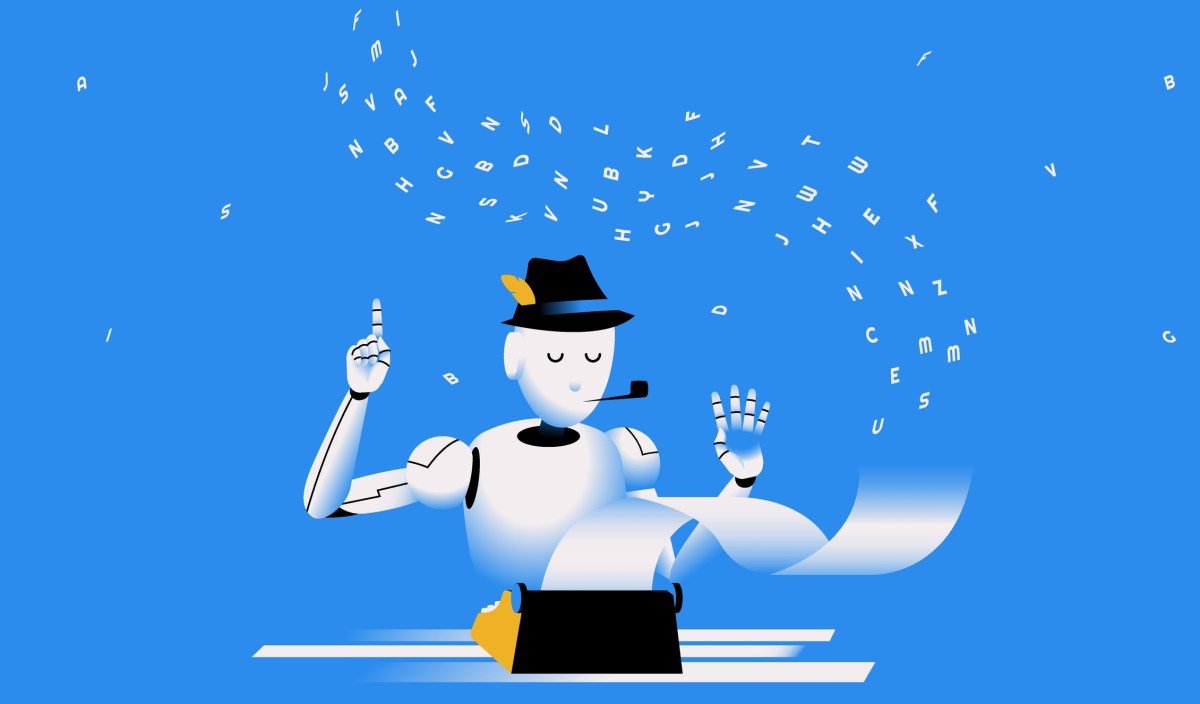
Sometimes, things aren’t just one thing – they’re also another thing. This sentence construction (“It’s not just that – it’s that”) has become so common in AI-generated writing that now, it’s no longer just an indication that a text might be synthetic – it’s almost a guarantee.
That’s why it didn’t just intrigue me when I saw a Barron’s report about how this sentence construction has dramatically increased in corporate communications — I had a lot of fun. The report didn’t just note the prevalence of this wording in corporate communications – it scanned market intelligence firm AlphaSense’s database to find how often the phrase was used in corporate news releases, earnings reports and government filings.
According to Barron’s, this sentence construction isn’t just a corporate communications quirk—it’s an epidemic, more than quadrupling from about 50 mentions in 2023 to more than 200 uses in 2025.
It’s not just the data that tells us this — I also found some examples from last year:
- “In 2025, AI will not just be a tool, it will be a partner.” (Cisco)
- “The future of autonomy isn’t just on the horizon; it’s already unfolding.” (Accenture)
- “DevOps teams manage not only deployments, but also security compliance and cloud spending.” (Working day)
- “These systems don’t just perform tasks; they begin to learn, adapt and collaborate.” (McKinsey)
- “When Bill founded Microsoft, he envisioned not just a software company, but a software factory, unbound by any product or category.” (Satya Nadella in a Microsoft blog post.)
- “It’s not just about creating tools for specific roles or tasks. It’s about creating tools that empower everyone to create their own tools.” (Same post on the Microsoft blog.)
- “Imagine if all 8 billion people could call on a researcher … not just to get information, but to use their expertise to do things that benefit them.” (Still, same Microsoft blog post.)
It’s not just a coincidence that AI generation tools use this phrase a lot — it’s a reflection of our writing, on which those tools were trained (without our permission, I might add, which isn’t just offensive to the writers—it’s a violation). And it’s not just that sentence construction – it’s also em-hyphens that are now considered indicative of AI-generated text.
This isn’t just a funny trend — it’s symbolic of how reliant these companies are on AI (although we can’t say for sure whether the missions above were AI-assisted). So the next time you see a sentence like this, remember that it’s not just an attractive construct — it could be a symptom of something bigger.
“The prevalence of AI content is growing rapidly, and ‘it’s not just X, it’s Y’ is a tic preferred by the frontier language models of the 2025 era,” said Max Spero, CEO of the AI detection tool. Pangramhe told TechCrunch. “The base rate of occurrence for this sentence structure is high enough that its existence is not a smoking gun for AI use, but it is clear that press releases and company documents, which are written with requirements rather than emotion, are seeing an even greater incidence of AI use.”
Techcrunch event
San Francisco, California
|
13-15 October 2026
Updated, 4/20/26, 6:00 PM EST, with a quote from Pangram.
