


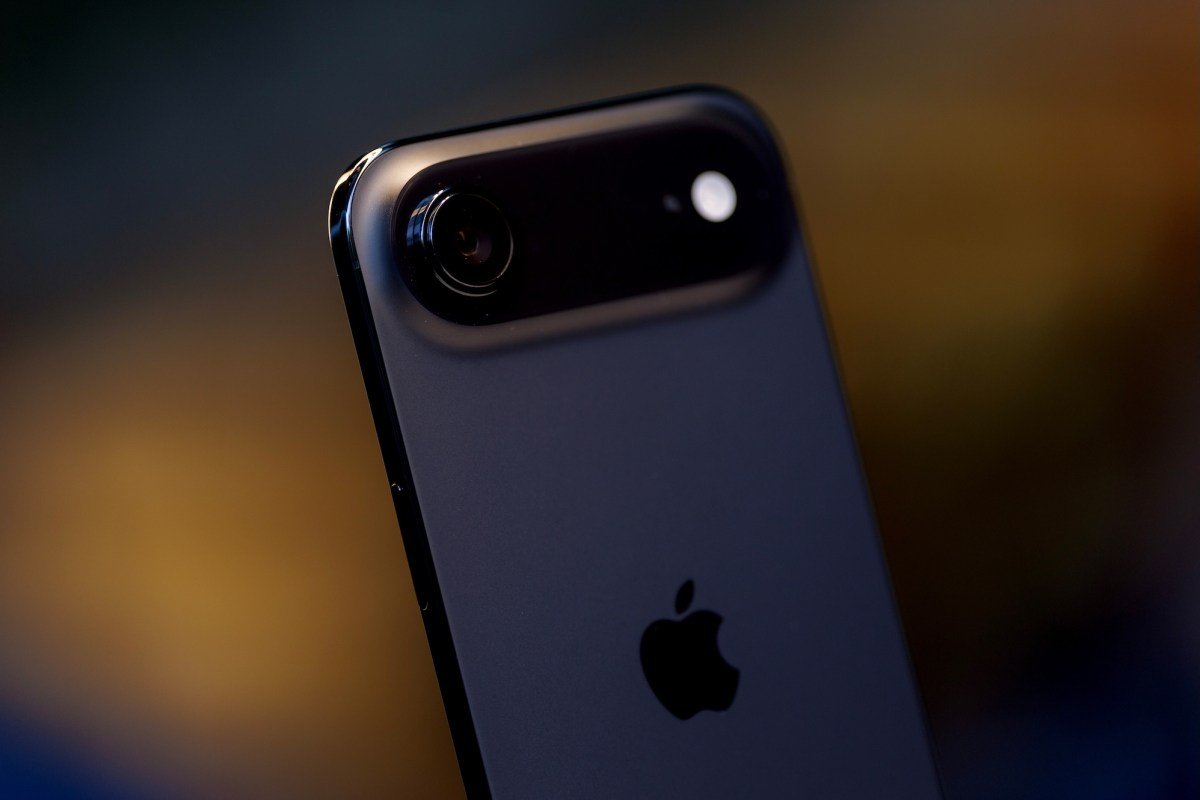
A new security feature rolling out to select models of the latest iPhones and iPads this week will make it harder for law enforcement, spies and malicious hackers to obtain a person’s exact location data from their phone carrier.
According to Apple, the new feature, when enabled, limits the accuracy of location data that share cellular-enabled iPhones and iPads with the customer’s carrier. Sharing a less precise location, such as the general neighborhood rather than a street address, will help protect the device owner’s privacy, the company claims.
Apple said that enabling the feature does not affect the accuracy of location data shared with apps or shared with first responders during an emergency call.
The limited precise location feature is supported on iPhone Air, iPhone 16e, and iPad Pro (M5) Wi-Fi + Cellular, running iOS 26.3, and is available on a handful of global carriers, including Telekom in Germany, AIS and True Thailand, EE and BT in the United Kingdom, and Boost Mobile in the United States.
The company did not give a reason for introducing the new feature, and an Apple representative did not comment on the filing when reached by email.
The new feature comes at a time when law enforcement agencies are increasingly using mobile carriers to access people’s location data to track them in real time or examine where they traveled over a period of time.
Hackers also often target mobile carriers for the sensitive data they collect about their customers. Over the past year, several US phone giants, including AT&T and Verizon, have confirmed persistent intrusions by Chinese-backed hackers, dubbed Salt Typhoon, seeking phone call and message logs; top American officials.
In addition to recent threats, known vulnerabilities in global mobile networks have allowed surveillance vendors to spy on people’s location data anywhere in the world.
While carriers can determine the approximate location of a person’s phone, the person’s device itself plays a role in providing accurate location data to the carrier, said Gary Miller, a mobile security expert who serves as a Citizen Lab researcher and senior director of network intelligence at iVerify.
“Most people don’t know that devices can send location data outside of apps,” Miller said. “While [the devices] can limit GPS disclosure at the application level, they were unable to lock down accurate network location disclosure.”
“Apple’s feature, while limited to very few carrier networks, is a step in the right direction by giving users greater privacy controls,” he said.
