


Last Monday, I discovered Walter the Producer, an indie musician based in Boston. His music is not on any of the playlists I follow and he has less than 150,000 monthly listeners on Spotify. If I hadn’t searched his song to Shazam while 2,000 miles away from home at a brewery in Phoenix, I probably never would have found him.
Finding new music has become somewhat of a game. Walter the Producer has fun with it too. The artist’s Spotify bio simply reads: “If you save me, I’ll chase you.” Artists with deep pockets have always had a leg up on independent musicians when it comes to promotion. But algorithm changes at Spotify, the rise of viral TikTok songs, and strategy changes at places like Pitchfork and Rolling Stone have made it much more difficult.
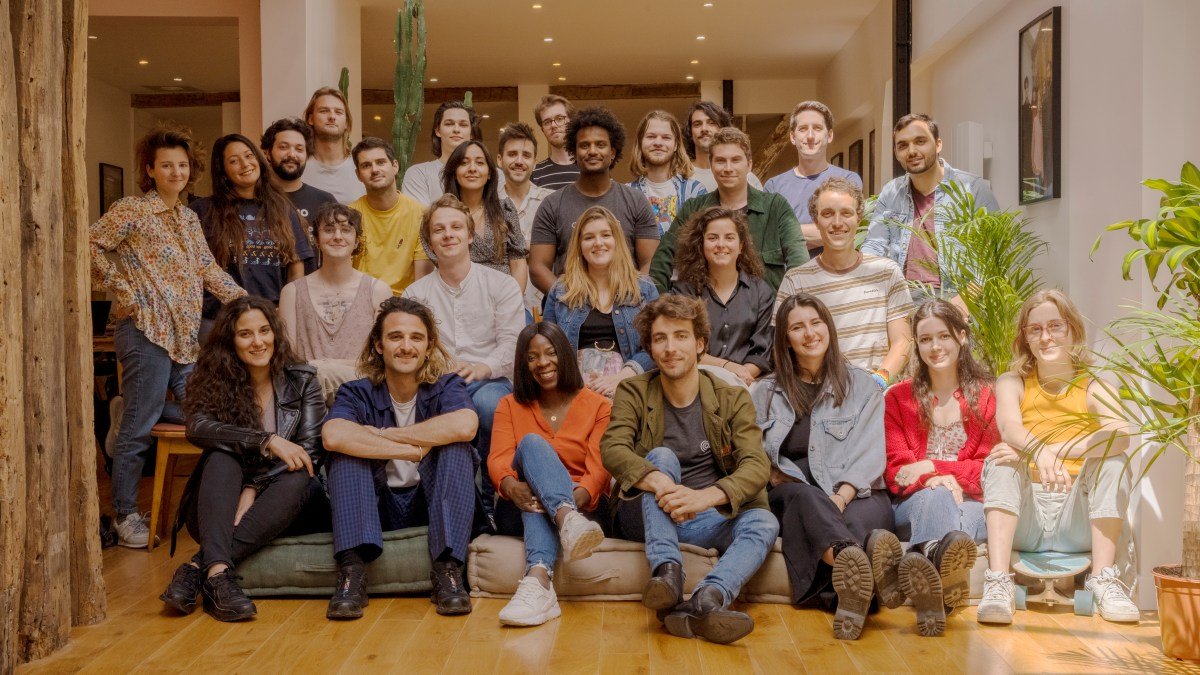
It’s easier now than ever to create music. This dynamic is what inspired the founders of Groover. The Paris-based startup launched in 2018 as a platform to help independent artists promote themselves by allowing them to submit music to individual curators who can provide feedback and boost music they think is good. Romain Palmieri, Groover’s co-founder and CEO, said he and his two co-founders started the company to help solve the promotion problems they’ve all faced in their respective music careers.
“Independent artists have more access to making music, which is great and it creates more creativity, but the main challenge for artists is how do you promote the music and get it heard by the right people and get the right curation from the right people people,” Palmieri said. “We wanted to build something that could solve that.”
Groover just raised an $8M Series A round led by OneRagtime, Techmind, Trind and Mozza Angels. Palmieri said the company plans to use the funding to continue expanding in the US — its biggest market already — and add new features for artists, including mentoring and promotion resources.
The business model for this company stands out. The 3,000 and growing music curators on Groover set their own price and each transaction is split with half the money going to the curator and half to Groover. Palmieri said that if a curator doesn’t hear a song within seven days, the musician gets their money back, but that 90% of requests are answered within that time frame.
While I love the idea of artists having these more direct relationships with these different curators, it irritates me that pay-to-play has become the best option for these independent artists. Curators who work with Groover aren’t just promoting music they like, but rather music they like that they’re also getting paid to listen to.
But! I also understand that music journalism is shrinking as the number of independent musicians continues to grow rapidly. Solutions are good even if I don’t find them perfect. The fact that artists can choose who they work with on Groover, the approach is relatively cheap, and the response rate is quite high, makes this approach seem like the most artist-friendly approach that doesn’t win promotion.
Palmieri added that the majority of independent artists simply don’t have better or more affordable options. They can either put out music releases relentlessly with no measured chance of getting noticed, or pay for PR, which doesn’t necessarily ensure more success.
This system also works best for music curators, Palmieri said. They also often struggle to find the gems in the ever-growing sea of new music. Groover’s system helps them get paid for their work more immediately, while making their jobs a little easier.
I’m glad to see someone working to fix this because as a listener, finding new music has been noticeably more difficult. I have seen many tweets, had numerous conversations with friends that show that this issue is felt across the board. Only one person still posts in the Facebook group called Music Aficionados that me and my friends started in high school to share new music.
Groover isn’t the only startup looking to help young musicians, either. GigFinesse is another startup that helps both musicians and venues get better gigs with a more streamlined booking and payment system.
I liked GigFinesse the same way I like Groover. That is, I like startups that offer clear solutions for both sides of the table. Both of these startups help artists, but they also help the industry people needed to get those artists off the ground. The community needs each other to thrive. Every musician starts somewhere.
