


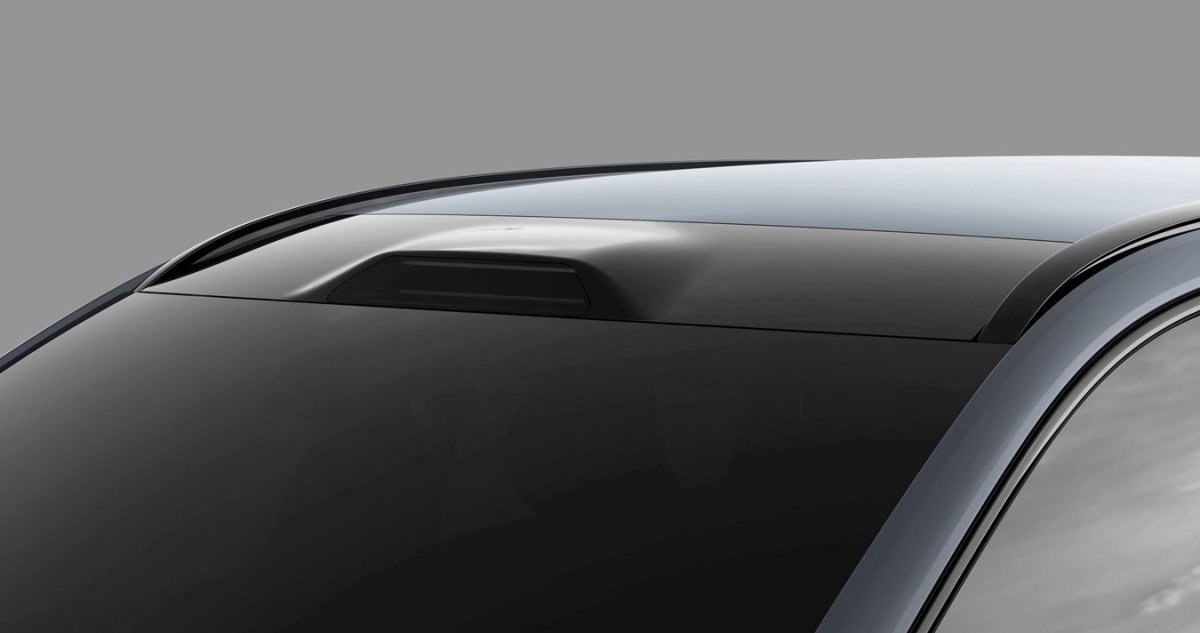
Luminar received an even higher bid for its lidar business as a judicial auction concluded on Monday, according to new deposit in the bankruptcy case of the company.
MicroVision, a Redmond, Washington-based company that develops its own lidar sensors, bid $33 million, eclipsing Quantum Computing Inc.’s $22 million. presented a few weeks ago as the “stalking horse” bidder. (Quantum Computing Inc. had raised its bid to $28 million, but apparently was unwilling or unable to go higher.)
In a statement, MicroVision said Tuesday that it is acquiring “IP and inventory related to the Iris and Halo lidar sensors, key engineering and operations talent and certain commercial contracts and orders.”
“It’s no secret that the lidar market is ripe for disruption and in need of further consolidation,” said MicroVision CEO Glen DeVos. “Building on our proven executive leadership in the automotive industry, our history of developing and delivering defense products, and now an even more extensive portfolio of technologically diverse lidar sensors and advanced perception solutions, we believe MicroVision is poised to disrupt the industry, enabling widespread commercial adoption and significantly increased safety.”
The sale of Luminar’s lidar business will now be subject to the approval of the bankruptcy judge. A hearing is scheduled for Tuesday afternoon.
It is unclear whether Luminar founder and former CEO Austin Russell made a bid for his company’s assets. Russell, through his new business Russell AI Labs, sought to buy the company outright in October 2025 before it filed for bankruptcy and has expressed interest in bidding during the bankruptcy process. Representatives for Russell did not respond to a request for comment.
That said, Russell and Luminar spent the first month of the bankruptcy case fighting over a subpoena. The company said it was still evaluating whether to take legal action against Russell, linked to his resignation last May, which followed an ethics investigation by the board. While Russell already handed over his computers to Luminar, he was keeping his phone until he got assurances from the company that any personal information on the device would be protected. Luminar accused him of evading the summons.
Russell finally agreed to accept the subpoena last week. Over the weekend, he and Luminar filed a joint court filing outlining the terms of a protective order regarding his personal information.
If the sale of the lidar assets goes through, it could bring a fairly quick end to Luminar’s bankruptcy case, which was filed in December. The company has already reached an agreement to sell its other semiconductor-focused business unit to Quantum Computing Inc. for $110 million.
This story has been updated with a statement from MicroVision.
