


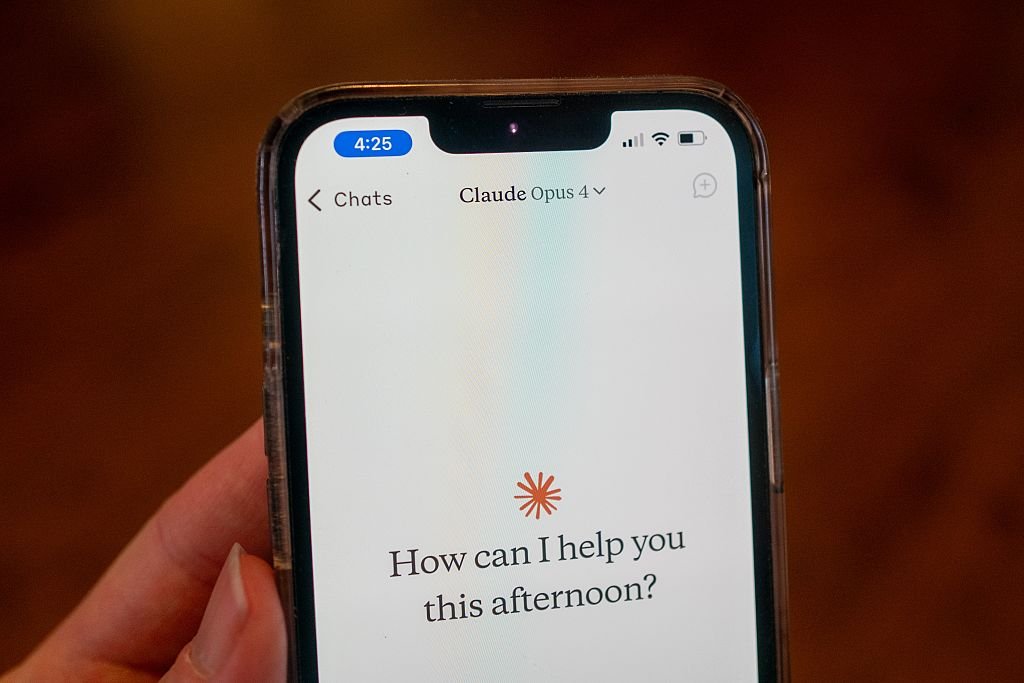
Many users are switching to Claude after a series of controversies surrounding ChatGPT and its parent company, OpenAI.
The turning point came after Anthropic, the company behind Claude, refused to allow the Department of Defense to use its AI models for mass domestic surveillance or fully autonomous weapons. In response, President Trump ordered all federal agencies to stop using Anthropic’s products, and Defense Secretary Pete Hegseth announced plans to designate the company as a supply chain threat.
Hours later, OpenAI announced its own agreement with the Pentagon, claiming it included safeguards, but the agreement has still sparked widespread debate about privacy and the ethical use of artificial intelligence.
As a result, Claude rose to the top of the free app rankings in Apple’s US App Store, surpassing ChatGPT. According to Anthropic, daily signups have reached record highs, free users have grown more than 60% since January, and paid subscribers have more than doubled this year.
For many users, the recent controversy has made Claude a compelling alternative to ChatGPT. If you’re thinking of making the switch, this guide will walk you through transferring your data and closing your ChatGPT account.
How to export your data from ChatGPT
Parting with ChatGPT shouldn’t mean losing years of digital memory. Instead of starting from scratch with a new AI assistant, you can transfer your data to Claude so it can instantly learn about your preferences.
There are a few ways to do this. One place to start is Settings. From there, go to Personalization and find the Memory section. Select “Manage” and review your saved information, updating anything that no longer accurately reflects your preferences. Once everything is updated, copy the content you want to keep.
Techcrunch event
San Francisco, California
|
13-15 October 2026
Alternatively, you can export your entire chat history. Go to Settings, select Data Controls and select “Export Data”. ChatGPT will compile your chat records into text or JSON files and email them to you. (Be aware that this may take a while if you have a lot of history.)
You can also take a manual approach by copying key conversations from your history or asking ChatGPT to summarize your top preferences, frequently discussed topics, and any custom instructions you use.
Enter your data in Claude
Once you’ve gathered your data, transferring it to Claude is simple.
Open Claude, go to Settings and then Features and make sure Memory is enabled. Then start a new conversation and use a prompt like, “Here’s an important context I’d like you to remember. Refresh your memory for me with this.” Then paste your information or summaries directly into the chat.
For exported chat files, do not paste raw logs. Instead, ask Claude something like, “Check this out and summarize my main preferences.”
We also recommend that you take a moment to verify with Claude that your information has been stored accurately. You can always update your preferences as they change.
Permanently delete your ChatGPT account
To take a complete break from ChatGPT, simply canceling your subscription is not enough to remove your data.
Here’s what you need to do:
- Go to Settings, then Personalization and select Memory.
- Delete any saved memory or personalization settings.
- For added security, type “Erase all my memory and personalized data” as the final chat command.
- Then go to your account management settings to delete your account completely.
This story has been updated to correct the claim that Claude’s memory feature is only available to paid subscribers. It is also available to free users.
