


The topic of solar powered technology is causing some skepticism among consumers. At the end of the day, I suspect most people would love more sustainable gadgets that never need to be charged, but overall, actual technology rarely — if ever — lives up to expectations.
Next week at CES, Exeger hopes to address some of the lingering doubts about consumer solar. The Swedish startup is announcing a series of partnerships that bring Powerfoyle flexible solar cell technology to various products.
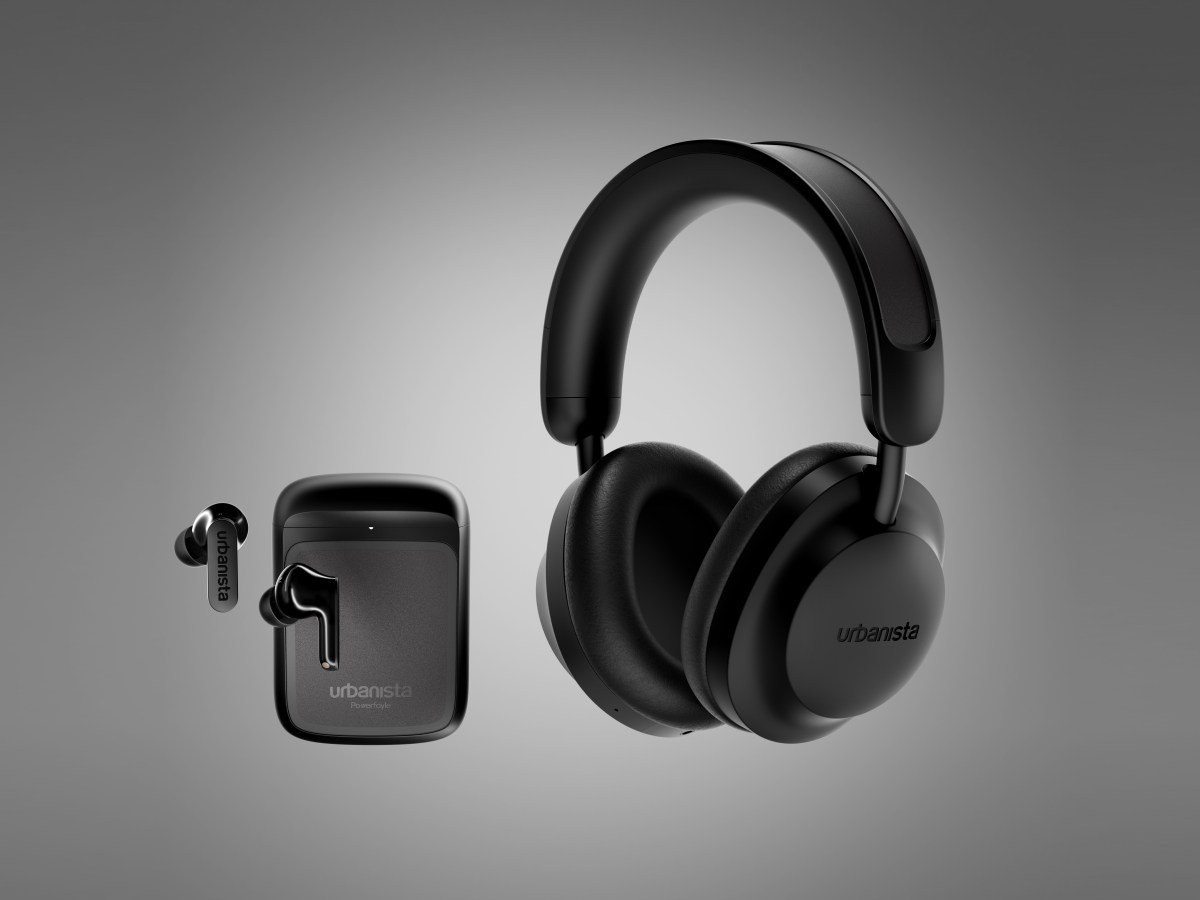
Among the first to collaborate is headphone manufacturer Urbanista. Ahead of the big event in Vegas, the company announced a pair of headphones powered by Powerfoyle technology. There’s the Urbanista Los Angeles over-ear, which the company promises will offer “virtually infinite playback time,” and the latest version of the Phoenix headphones.
Image Credits: Urbanist
Los Angeles has an actual rated playtime of 60 hours — an impressive number by any measure that may or may not fit the current definition of “near infinity.” The Powerfoyle cell is integrated directly into the headphone band, allowing the system to charge indoors and outdoors while playing. When the battery runs out, of course, they can be charged via USB-C.
This is LA’s second-generation product, following a pair released in 2021 that were among the first on the market to incorporate Exeger technology.
The headphones are made from recycled plastic, have built-in in-ear sensing, and offer adaptive noise cancellation and transparency through built-in microphones.

Image Credits: 3M
The Phoenix, meanwhile, has the Powerfoyle built into its charging case. The buds themselves offer eight hours on a charge — that’s a few hours longer than most of the competition. They will receive a total of 40 hours when the case is considered.
This morning, 3M announced its own partnership with Exeger. Peltor’s new headset also features a Powerfoyle cell built into its headband.

