


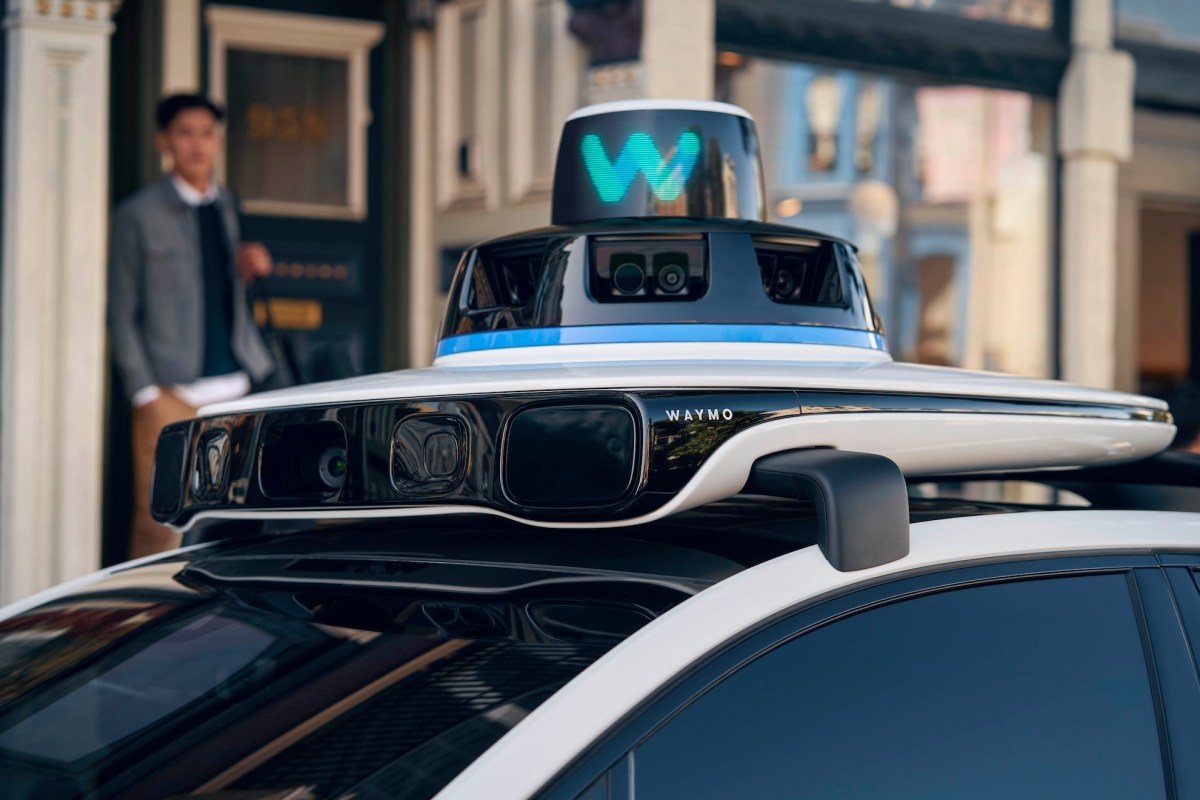
Waymo’s big chance to bring its robotaxis to New York state has been thwarted — for now.
New York Governor Kathy Hochul has withdrawn a proposal that would have amended vehicle and traffic laws to effectively legalize robotaxis in the state outside of New York. Hochul spokesman Sean Butler confirmed to TechCrunch that the proposal has been withdrawn.
“Based on conversations with stakeholders, including the Legislature, it was clear that the support was not there to advance this proposal,” Butler said in an emailed statement. Bloomberg was the first to report the sentence had been removed.
The withdrawal is a setback for Waymo, which has tried for years — along with other autonomous vehicle (AV) companies — to test and eventually deploy robotaxi in New York.
“We’re hearing from thousands of New Yorkers who have tried Waymo in other cities and want access to it from their home,” Waymo said in a statement emailed to TechCrunch.
“They want the safety, privacy and convenience that riders already enjoy in other major cities. While we are disappointed by the Governor’s decision, we are committed to bringing our services to New York and will work with the State Legislature to advance this issue.”
“Moving forward requires a collaborative approach that prioritizes transparency and public safety. We will continue to work constructively with the Governor, the Legislature and officials across the state to deliver this proven mobility option that New Yorkers expect,” Waymo’s statement added.
Techcrunch event
Boston, MA
|
June 9, 2026
Hochul had introduced, as part of her larger budget proposal, a plan to change a state law that requires drivers to keep one hand on the wheel at all times. This law effectively prevents robotaxi companies like Waymo from operating in the state, since there is no human behind the wheel — if there is a wheel at all.
Even if Hochul’s proposal had survived, it would not have opened the floodgates to AV companies. The proposal contained a number of restrictions, including that AV companies could not deploy robotaxi-for-hire services in any city with more than one million people. AV companies would also need approval from the state’s transportation commissioner, pay a $1 million fee and show proof of financial security of at least $5 million. The state would only support robotaxi pilots in cities or towns where there was a clear demonstration of local support, Butler said.
With that proposal dead, the state’s existing AV pilot program, which is far more restrictive, is expected to remain. Under the pilot program, companies can request an exemption from the one-hand-on-the-wheel rule, allowing them to develop and test autonomous vehicles in the state, but not launch commercial robotaxi services.
Waymo is currently testing in New York and is allowed to do so until March 31st.
New York City regulators last August granted Waymo permission to test its robot taxi in the city. Under that permit, Waymo is allowed to test up to eight of its Jaguar I-Pace vehicles in Manhattan and downtown Brooklyn, as long as there is a human safety operator behind the wheel.
Waymo operates in several other states and operates commercial robotaxi services in Atlanta, Austin, Miami, Phoenix, Los Angeles and the San Francisco Bay Area. The company says it provides more than 400,000 paid rides each week and aims for 1 million weekly rides by the end of the year.
