


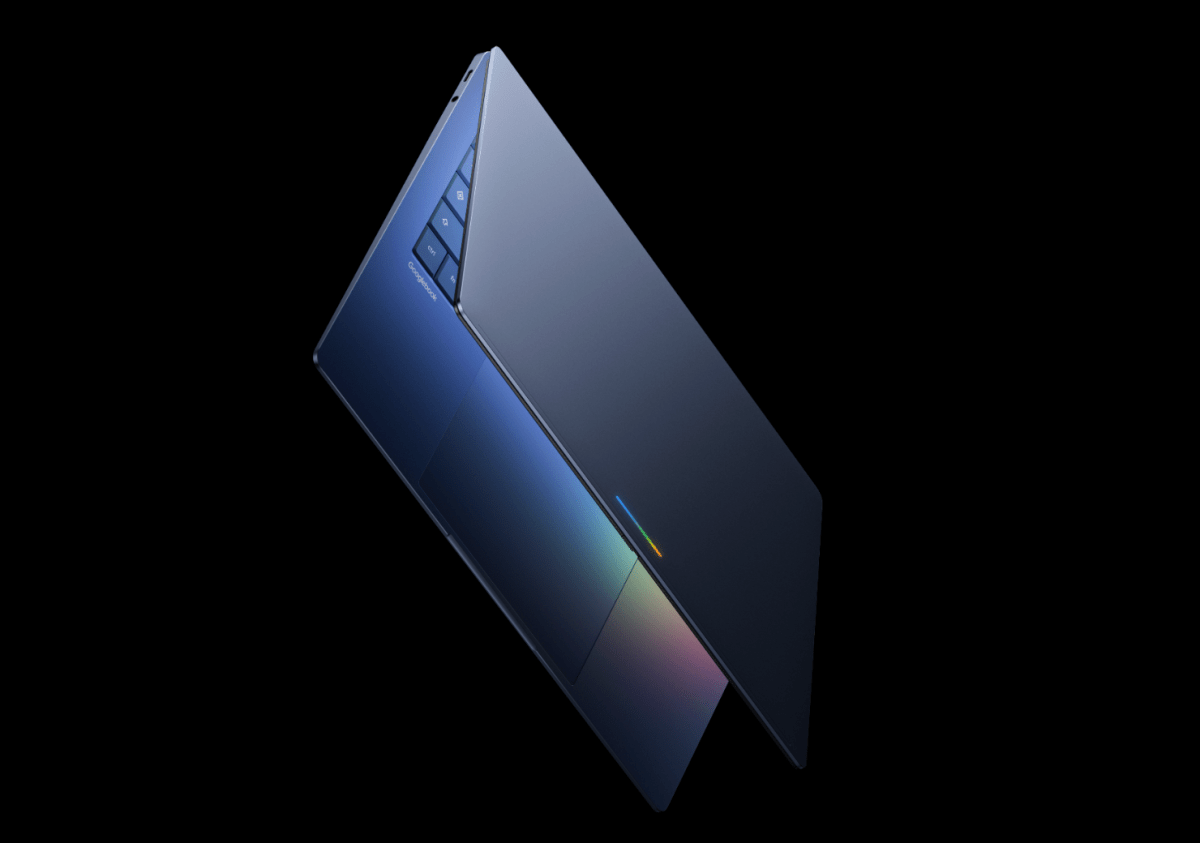
Google on Tuesday introduced Googlebookits new line of laptops built around Gemini, the flagship of Google’s AI model family. The tech giant is working with partners like Acer, Asus, Dell, HP and Lenovo to make the first Googlebooks in various shapes and sizes.
The company says the Googlebook, due out this fall, is the first laptop designed from the ground up around Gemini to provide personal and proactive assistance.
Googlebooks will ship with the “Magic Pointer,” a new AI-powered cursor with built-in Gemini. Instead of just pointing and clicking, moving the cursor will bring up quick contextual suggestions based on what’s on your screen. For example, if you show a date in an email, you can quickly set up a meeting. Or, if you choose two images, such as your living room and a new couch, you can visualize them together.
“We thought we could take Gemini Intelligence and make the indicator really intelligent and smart,” said Alexander Kuscher, Google’s senior director of Android tablets and laptops, in a briefing with reporters. “As you move and pan over the screen, it will tell you what it can interact with and contextually give you the actions you can take… It really exemplifies how we think about AI features across Googlebooks. It’s built in, but not in your face.”
The new laptops will also be compatible with Android phones, allowing users to use apps from their phone directly from their Googlebook. For example, if you’re on your laptop and remember to finish your daily Duolingo lesson but don’t want to reach for your phone, you can access the app right from your laptop.

Additionally, users will be able to easily access files from their phone directly through Googlebook’s file browser, allowing them to view, search for, or import files directly to their laptop.
Users will also be able to use Google’s new “Create Widget” feature in Googlebook to create custom widgets by asking Gemini. Gemini can also pull information from the web and connect to Google apps like Gmail and Calendar to create a single, personalized dashboard. For example, if you’re planning a family reunion in Berlin, it can pull together your flight and hotel details, display restaurant reservations, and even add a countdown timer.

The bigger story here might be what Googlebook is replacing. The unveiling of the Googlebook comes 15 years after Google introduced the Chromebook — the affordable browser-based laptop that became accessible in schools and workplaces worldwide. The new Googlebooks will essentially be the successor to the Chromebook, although the company won’t say for sure. A Google spokesperson told TechCrunch in an email that the company plans to continue to support current Chromebook users, with the devices receiving updates through their existing support commitments. The company added that many Chromebooks will also be eligible to switch to the new experience, but did not share details about what it will look like.
Google isn’t just revamping its laptop lineup — it’s starting a long transition away from ChromeOS, the platform on which it built its laptop presence, and toward a new Android-based operating system with AI built into the foundation. And with the biggest names in computing hardware already attached, this is as much a platform play as a hardware one — and a direct response to Microsoft, which is pushing its own AI-powered Copilot+ PCs from 2024.
When you purchase through links in our articles, we may earn a small commission. This does not affect our editorial independence.
