


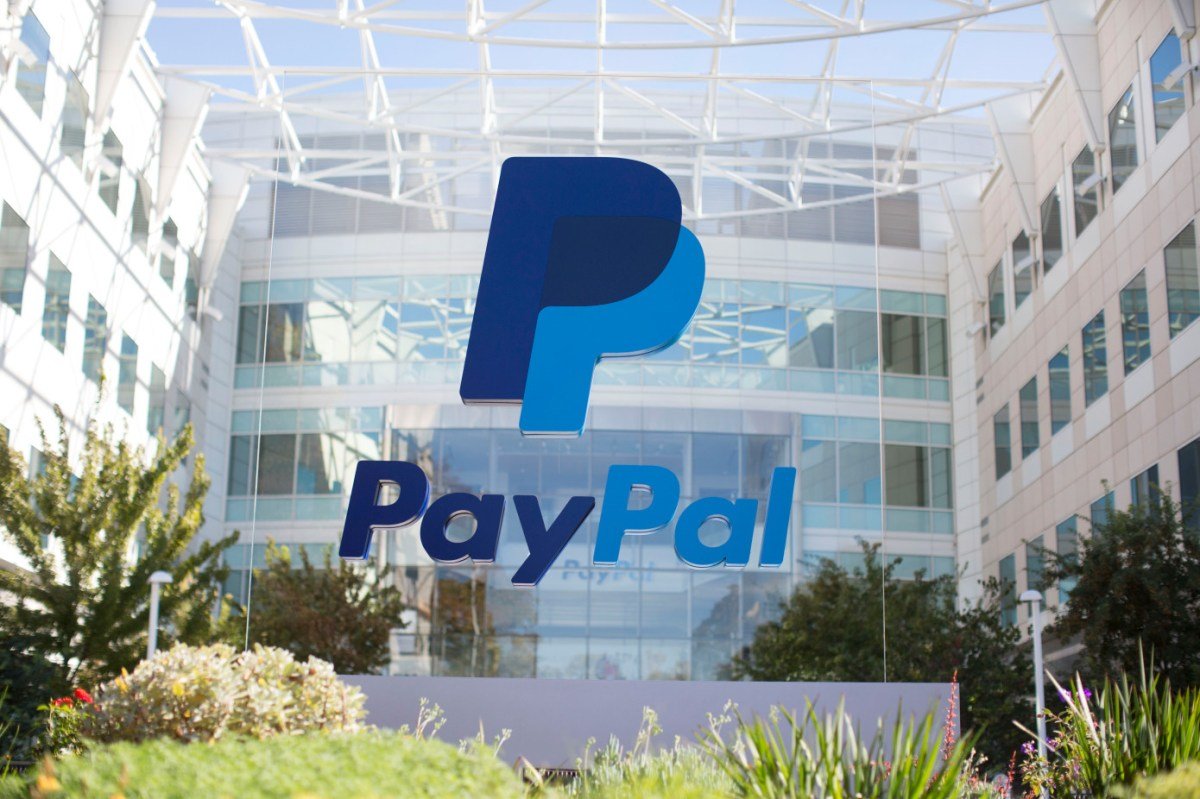
PayPal is looking to the future, despite its falling stock and looming layoffs. In his first-quarter earnings call, CEO Enrique Lores told investors that PayPal needed to “recommit to the fundamentals,” which included “becoming a technology company again.”
You didn’t have to read between the lines – PayPal was putting together an AI-powered recovery.
Lores made that point, telling analysts on this week’s call that leading companies are finding ways to differentiate themselves by innovating, and that now is the time for PayPal to act. That includes modernizing its technology platform, moving faster to become “cloud native” and “aggressively adopting artificial intelligence in our development processes,” Lores said. The latter would increase developer productivity and shorten time to market, he added.
It’s a surprising admission by PayPal that it has yet to fully embrace AI internally, when AI-assisted coding is one of the areas where the technology has really excelled.
Other consumer tech companies have been quick to adopt AI in recent months to help with coding, with Spotify even saying in February that its top developers haven’t written a line of code since December. Meanwhile, the top developer teams are trying to compete with each other with tokenmaxxing – a means of understanding who in the company is experimenting with AI most often, based on the number of AI tokens they use.
PayPal is just now catching up, it seems.
Lores said the company has formed a new “AI transformation and simplification” team to help with its business AI agenda. Combined with the planned layoffs, which Lores characterized as PayPal removing layers from its organizational structure, the addition of AI-enabled processes is expected to net the company at least $1.5 billion in cost savings over the next two to three years, he said.
The company announced last week that it was reorganization of its businesswhich streamlines the operation into three divisions: checkout solutions and PayPal, consumer financial services (and Venmo), and payment services and crypto. Besides, Bloomberg reported on Tuesday that PayPal plans to cut about 20% of its workforce over the next two to three years as part of its cost-savings plan, equivalent to 4,500 jobs.
More cost savings will come from PayPal’s plans to adopt artificial intelligence, company officials said on the call. This includes bringing AI into areas beyond coding, such as customer service, support functions and risk management, to name a few.
“I think the changes that artificial intelligence will allow us to make … will be very significant,” Lores said. That’s why we created a team last week, reporting to me, that will be responsible for driving — function by function, process by process — this AI transformation. And it’s not about adopting AI as a technology, where we’ve done a lot of pilots in the company and seen what’s possible.
The announcement of an AI-driven push to cut costs while eliminating thousands of jobs underscores a key criticism of the technology — it comes at a human cost.
It is worth noting that, in this case, PayPal was already in need of restructuring. The company may have topped first-quarter earnings with $8.4 billion in revenue, up 7% year-over-year, but forecast weak guidance for the second quarter, sending the stock tumbling after profits. This follows a long post-pandemic slump that has sent the stock fell more than 80% from the 2021 high and has delayed PayPal’s growth.
Asked if splitting Venmo into its own business meant the company would be open to selling it, Lores said that, for now, that’s what makes the most sense in terms of a turnaround plan. But he signaled openness to future deals by saying “my number one priority is to maximize shareholder value,” in response to an analyst question about a sale.
When you purchase through links in our articles, we may earn a small commission. This does not affect our editorial independence.
