

Close Menu
TechTost
  • AI
  • Apps
  • Crypto
  • Fintech
  • Hardware
  • Media & Entertainment
  • Security
  • Startups
  • Transportation
  • Venture
  • Recommended Essentials
What's Hot

Are brain waves the next unlock for natural artificial intelligence?

Anthropic updates Claude voice mode with more capable models

Music streamer Deezer says more than 50% of daily uploads are generated by AI

Facebook X (Twitter) Instagram
  • About Us
  • Contact Us
  • Privacy Policy
  • Terms and Conditions
  • Disclaimer
Facebook X (Twitter) Instagram
TechTost
Subscribe Now
  • AI

    Are brain waves the next unlock for natural artificial intelligence?

    27 July 2026

    Librarians host viral ‘Avoid AI’ workshops for people fed up with big tech

    26 July 2026

    I tested OpenAI’s new AI keyboard — which will be fun for some coders and a little overwhelming for everyone else

    25 July 2026

    Anthropic Launches Opus 5 | TechCrunch

    24 July 2026

    How AI guardrails are hindering the work of aggressive cybersecurity researchers

    24 July 2026
  • Apps

    Anthropic updates Claude voice mode with more capable models

    27 July 2026

    Bluesky’s AI assistant Attie expands into an open social research tool

    26 July 2026

    Why Cognition bought Poke: AI personality becomes a competitive advantage

    26 July 2026

    Vietnam seeks to restrict social media for children. Here are the growing number of other countries doing the same

    25 July 2026

    India’s move against Jack Dorsey’s Bitchat sparks legal debate

    24 July 2026
  • Crypto

    Sam Altman’s biometrics startup World raises $52.5 million through crypto sale

    24 July 2026

    Venice AI goes unicorn with $65M Series A as first privacy AI platform takes off

    1 July 2026

    Crypto Exchange OKX wants AI agents to hire and pay each other

    30 June 2026

    Startup Battlefield 200 applications close today

    27 May 2026

    5 days left: Save up to $410 on Disrupt 2026 passes

    25 May 2026
  • Fintech

    TechCrunch Disrupt 2026’s new Smart Money Stage explores fintech, payments, artificial intelligence and everything

    25 July 2026

    Don’t want to invest in Elon Musk? Two new ETFs expressly exclude him

    10 July 2026

    India’s payments chief believes artificial intelligence will play a big part in the next era of digital payments development

    28 June 2026

    Early Bird pricing ends tonight for the Founder Summit

    26 June 2026

    4 days left to save up to $190 on Founder Summit 2026

    23 June 2026
  • Hardware

    AI chip startup Etched defies skeptics, hits $10.3 billion valuation from big-name investors

    24 July 2026

    After a shocking quarter, IBM insists that artificial intelligence is not killing the mainframe

    23 July 2026

    Light made a flip phone — it’s colorful and cheap

    22 July 2026

    Apple is partnering with Klarna to launch a rental program for iPhones, iPads and Macs

    22 July 2026

    The Xteink X4 Pro could be the tiny e-reader of your dreams

    21 July 2026
  • Media & Entertainment

    Music streamer Deezer says more than 50% of daily uploads are generated by AI

    27 July 2026

    Substack’s new tool lets you know who’s writing their newsletters with AI

    26 July 2026

    Kalshi demands Netflix take down trailer for ‘Prediction Games’ documentary.

    26 July 2026

    Amazon brings games to Prime Video

    24 July 2026

    SoundCloud acquires decentralized music platform Nina Protocol months after its shutdown

    23 July 2026
  • Security

    The hacker who humiliated spyware makers and was never caught

    25 July 2026

    Hugging Face confirms breach of internal datasets and credentials, prompts users to take action

    25 July 2026

    US accuses American of allegedly wiping his phone using a passcode ‘forcibly’ during border search

    24 July 2026

    If you pay a hacker’s ransom, chances are they’ll come back for more

    24 July 2026

    The US government says hackers linked to Iran are disrupting US water and energy providers

    23 July 2026
  • Startups

    Insurance startup Corgi reportedly raises more money to $4 billion – its third round in 8 weeks

    26 July 2026

    Build publicly, fail publicly: what it’s like to be a founder under 20 right now

    25 July 2026

    Prentis, new AI lab co-founded by Reid Hoffman and Mark Pincus in talks to raise $100 million

    25 July 2026

    Meet the judges who will crown Australia’s next startup

    24 July 2026

    AegisAI, founded by ex-Google security execs, raises $36M to stop AI-based spearfishing

    23 July 2026
  • Transportation

    TechCrunch Mobility: Uber is betting on its former CEO

    26 July 2026

    Volkswagen engineers charged with insider trading linked to the Rivian consortium

    25 July 2026

    SpaceX launches new V3 Starlink satellites but suffers another booster failure

    25 July 2026

    Tesla’s door handles may prompt new safety rules in the US

    24 July 2026

    Tesla’s robotaxis moves in reverse

    23 July 2026
  • Venture

    Edtech platform raises $4.5 million to help teach students how to code vibe

    23 July 2026

    Travis Kalanick’s robotics company raises $1.7 billion, led by a16z

    23 July 2026

    Cascade raises $3.5 million to help construction companies find and win projects

    22 July 2026

    StrictlyVC returns to New York on September 10 to celebrate a huge year for the city’s startup community

    21 July 2026

    Startup Inference Infinity raises $15 million from researchers Touring Capital, OpenAI and Anthropic

    20 July 2026
  • Recommended Essentials
TechTost
You are at:Home»Security»The US government’s ban on Anthropic models was never about an AI jailbreak
Security

The US government’s ban on Anthropic models was never about an AI jailbreak

techtost.comBy techtost.com16 June 202604 Mins Read
Share Facebook Twitter Pinterest LinkedIn Tumblr Email
The Us Government's Ban On Anthropic Models Was Never About
Share
Facebook Twitter LinkedIn Pinterest Email

The US government’s enforcement letter to Anthropic, which effectively forced the company to take its latest AI models offline just before the weekend, should be a wake-up call for any US tech company — AI lab or otherwise.

To bring you up to speed on the news blitz: On Friday afternoon, the US Department of Commerce sent Anthropic a letter citing an obscure export control directive that barred non-Americans, including Anthropic employees, from accessing Fable 5 and Mythos 5, citing an unspecified national security concern. Anthropic said it believes the letter is related to a bypass of the model’s guardrails, but isn’t sure why the letter doesn’t provide specific details. The letter has not been made public.

In response, Anthropic shut down and its two flagship models to all customers to ensure it complies with the directive. The result was that the US government successfully forced a tech company to take its models offline in a swift and unilateral action that did not appear to require court approval.

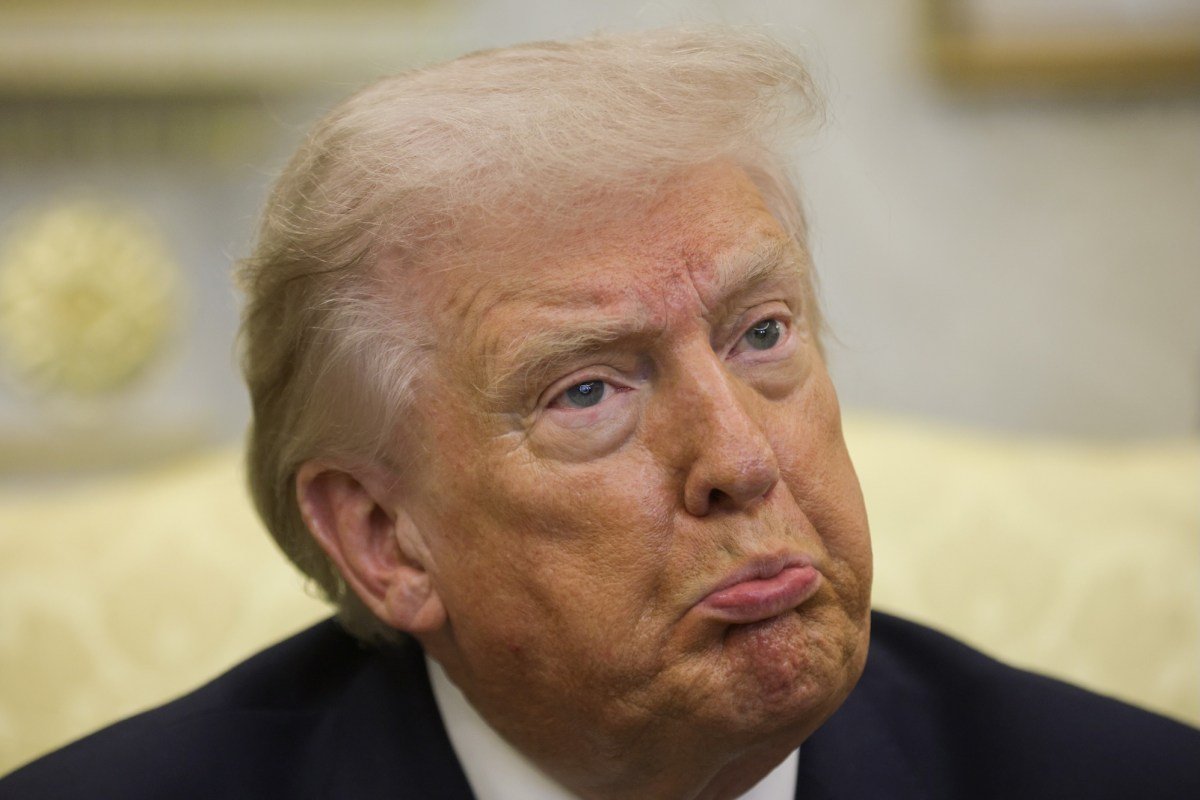
Friday’s intervention by the Trump administration shows that the artificial intelligence industry is not immune to government interference. It’s also a warning to the wider tech industry: comply, or we can shut you down and your products.

Citing sources, Worthy described a tense situation over the weekend between the two major players, saying that “personality differences” between Anthropic and the Trump administration led to the export directive, rather than a technical issue with the AI ​​products.

New details of the matter that emerged over the weekend now cast further doubt on the government’s already shaky reasoning.

Kaiti Mousouri, a veteran cybersecurity researcher and founder of Luta Security, said in a blog post that Anthropic recently shared with it a private copy of a paper written by security researchers that describes an alleged bypass of a guardrail in Fable 5. (The Wall Street Journal reports that the paper’s authors are security researchers at Amazon.) Moussouris said Anthropic reached out to ask for her opinion on the paper.

Moussouri’s blog post described how the researchers triggered the guardrail bypass, but said the bypass itself “should never have triggered an export control.” The difference is largely between asking an AI model to “check the code for security issues” and asking it to “fix that code”. The end result is largely the same, even if the questions are asked slightly differently.

“The behavior described in the document cannot be substantially corrected and any attempt would weaken the model for defence,” said Moussouris, who criticized the export control directive as hasty, heavy-handed and misguided.

Moussouri and dozens of other top researchers and security experts have since called on the Trump administration to withdraw the export control order, calling the move to withdraw advanced cybersecurity capabilities from US network defenders “dangerous”.

Previous administrations have made sweeping decisions about knowledge gaps. For example, the language used by the US government during the 2010s to define export law covering cybersecurity tools that could also be used for cyberattacks was so broad that unintentionally, almost outlawed legitimate security and vulnerability research.

However, the Trump administration’s directive appears to be retaliatory.

Justin Hendrix, o editor of Tech Policy Presssaid the Trump administration’s move is “likely to raise alarms in foreign capitals about the reliability of American artificial intelligence for critical applications.” The message is that AI companies in the United States cannot be trusted to operate without interference from the US government.

The Trump administration has not confirmed why it invoked the export control directive. Did the employees misread the report and freak out? Did Amazon CEO Andy Jassy say something to senior government officials that prompted the backlash, out of wariness or hatred? Did something get lost in translation, or was this a way to pressure Anthropic, with whom management already has an uneasy relationship? It’s possible the White House was unaware of the far-reaching implications of the letter’s demand, and officials are scrambling to undo the damage they caused themselves.

To quote Hendricks, “the climate is a cloud of suspicion that senior officials are picking favorites based on personal and political factors.” The upshot is that the administration has set a dangerous precedent regarding the control it intends to exercise over the circulation of American-made software.

This time the government disagreed with Anthropic. tomorrow it could be with anyone else.

When you purchase through links in our articles, we may earn a small commission. This does not affect our editorial independence.

Anthropic ban cyber security Governments Humane jailbreak models myth our government Trump administration
Share. Facebook Twitter Pinterest LinkedIn Tumblr Email
Previous ArticleSpaceX Goes Public: Everything You Need to Know Post-IPO
Next Article India orders temporary ban on Telegram over exam cheating
bhanuprakash.cg
techtost.com
  • Website

Related Posts

Anthropic updates Claude voice mode with more capable models

27 July 2026

The hacker who humiliated spyware makers and was never caught

25 July 2026

Hugging Face confirms breach of internal datasets and credentials, prompts users to take action

25 July 2026
Add A Comment

Leave A Reply Cancel Reply

Don't Miss

Are brain waves the next unlock for natural artificial intelligence?

27 July 2026

Anthropic updates Claude voice mode with more capable models

27 July 2026

Music streamer Deezer says more than 50% of daily uploads are generated by AI

27 July 2026
Stay In Touch
  • Facebook
  • YouTube
  • TikTok
  • WhatsApp
  • Twitter
  • Instagram
Fintech

TechCrunch Disrupt 2026’s new Smart Money Stage explores fintech, payments, artificial intelligence and everything

25 July 2026

Don’t want to invest in Elon Musk? Two new ETFs expressly exclude him

10 July 2026

India’s payments chief believes artificial intelligence will play a big part in the next era of digital payments development

28 June 2026
Startups

Insurance startup Corgi reportedly raises more money to $4 billion – its third round in 8 weeks

Build publicly, fail publicly: what it’s like to be a founder under 20 right now

Prentis, new AI lab co-founded by Reid Hoffman and Mark Pincus in talks to raise $100 million

© 2026 TechTost. All Rights Reserved
  • About Us
  • Contact Us
  • Privacy Policy
  • Terms and Conditions
  • Disclaimer

Type above and press Enter to search. Press Esc to cancel.