


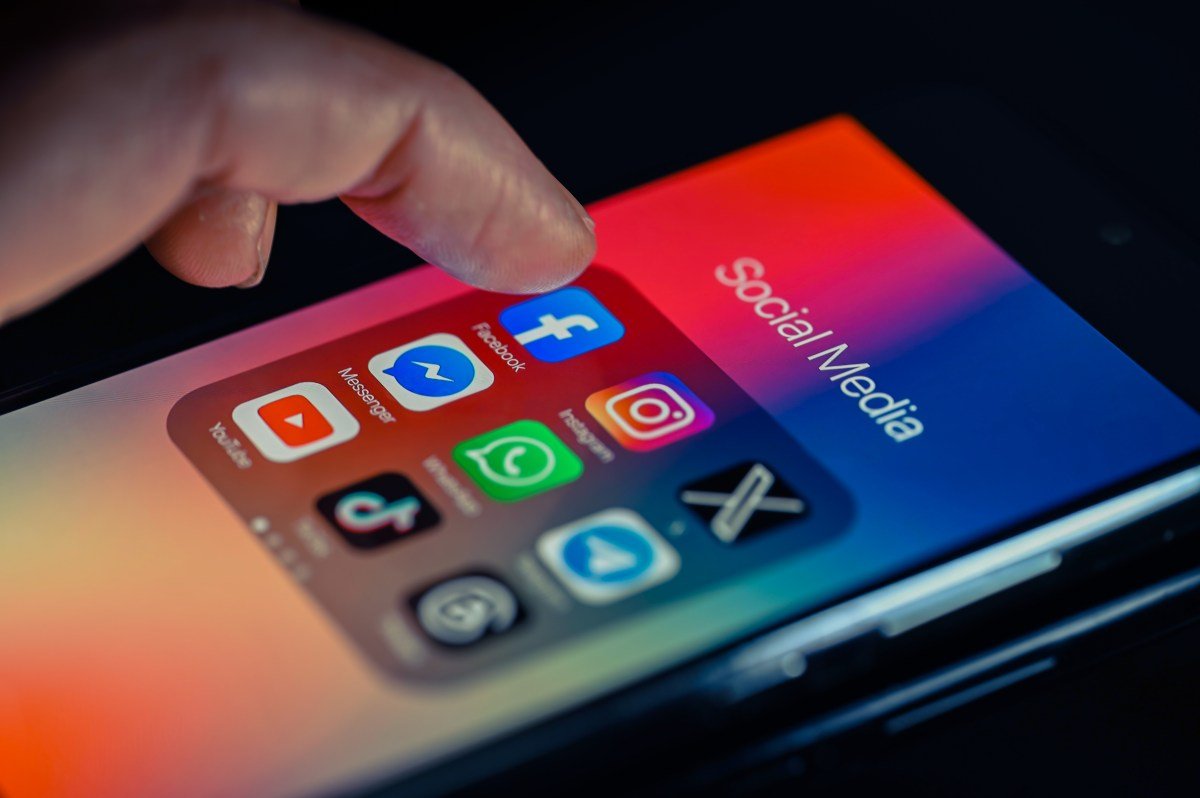
UK Prime Minister Keir Starmer was announced on Monday that his government would impose a social media ban on children under 16. The ban will apply to a number of social media platforms, including Snapchat, TikTok, YouTube, Instagram, Facebook and X.
Messaging services such as WhatsApp and Signal will not be included in the ban. There will also be restrictions on AI tools, with AI ‘romantic partner’ chatbots having to ensure they can only be used by over 18s.
The UK government said its ban would go further than any other country. Starmer said the ban could come into effect by next spring.
The UK is joining a growing number of countries that want to protect children online. Australia became the first to impose such a ban late last year, and other countries, including Canada, France and Denmark, have begun to develop their own bans.
The sweeping changes are designed to “put power back in the hands of parents and give children the childhood they deserve,” the British government wrote in a press release.
Experts questioned whether a blanket ban would be effective. Starmer has acknowledged the challenges but said he believes it is possible to prevail.
“Every parent can see with their own eyes, social media makes kids unhappy,” Starmer said during a press conference. “It makes it easier for bullies to harass and abuse them, and it could even harm their mental health by exposing them to content that is dangerous because that’s what gets attention. It’s designed to be addictive, of course it is. Features like infinite scrolling are designed to lock you in for hours.”
He went on to argue that social media takes away activities that help children grow into adults, such as going to bed on time, reading, playing outside and more.
The announcement comes as the UK government said earlier this year it would consult parents, young people and civil society for their views to determine whether a ban would be effective. Over 83% of parents participated in the consultation said that the dangers of social media outweigh its benefits.
When you purchase through links in our articles, we may earn a small commission. This does not affect our editorial independence.
