


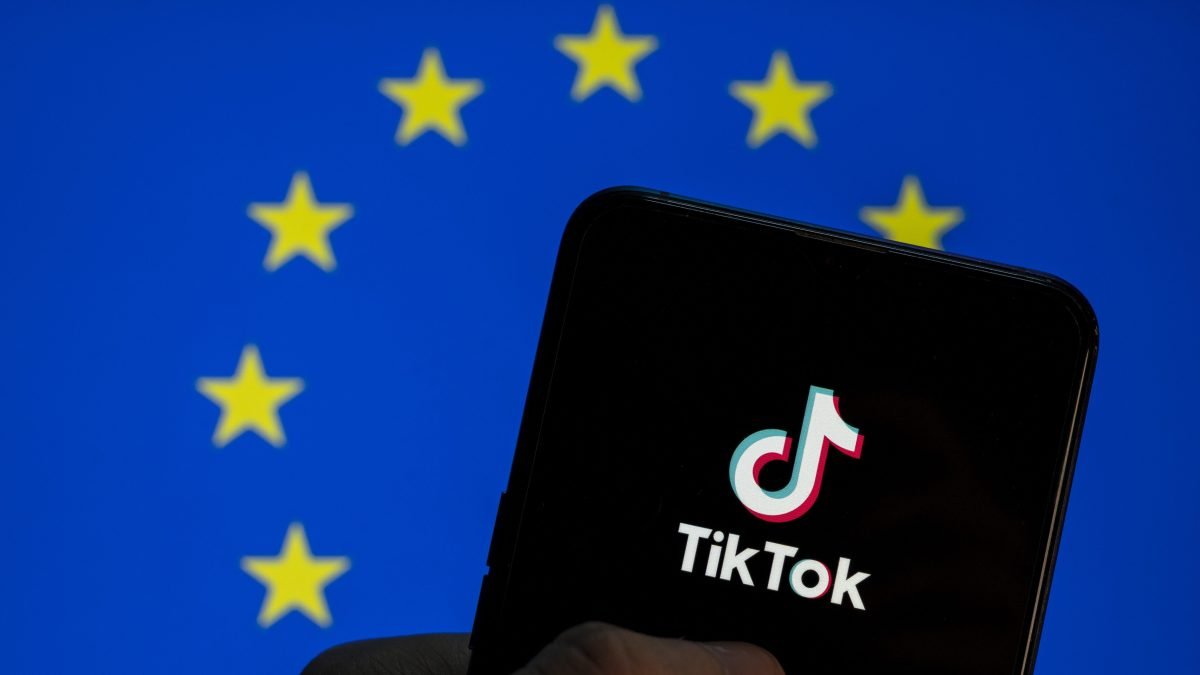
The European Commission accused TikTok on Friday of deliberately designing its app to be “addictive”, citing features such as infinite scrolling, autoplay and push notifications, as well as its recommendation engine.
In preliminary findings from an investigation that sought to determine TikTok’s compliance with the European Union’s expansive digital services law, the Commission said the short video platform did not “adequately assess” how its design decisions could harm the well-being of its users, particularly minors and vulnerable adults.
The EU’s enforcement arm said the company ignored “important indicators of compulsive use of the app”, such as how long users spend at night and how often users open it.
“By constantly ‘rewarding’ users with new content, certain design features of TikTok fuel the drive to constantly scroll and shift users’ brains into ‘autopilot mode.’ Scientific research shows that this can lead to compulsive behavior and reduce users’ self-control,” the Commission wrote in a statement.
The commission said TikTok needs to change the “core design” of its user interface by disabling features such as infinite scrolling, implementing screen time breaks and changing the recommendation system.
TikTok has denied the allegations.
“The Commission’s preliminary findings present a categorically false and completely unhelpful portrayal of our platform, and we will take all necessary steps to challenge these findings by any means at our disposal,” a TikTok spokesperson said in an emailed statement.
Techcrunch event
Boston, MA
|
June 23, 2026
TikTok offers tools to manage screen time and parental controls, but the European Commission said those tools do not do enough to reduce the risks of its addictive design. “Time management tools do not appear to be effective in allowing users to reduce and control their use of TikTok because they are easy to dismiss and introduce limited frictions. Similarly, parental controls may not be effective because they require additional time and skill from parents to introduce the controls,” the Commission wrote.
The accusations against TikTok come as social media platforms face intense scrutiny around the world, with some governments pushing to completely ban young users from accessing the social media site. In November, Australia ordered social media sites to disable accounts belonging to users under 16, and the UK and Spain are reportedly considering similar measures. France, Denmark, Italy and Norway have worked on similar ones age restriction measures for social media platforms, and in the United States, 24 states have enacted so far age verification laws.
TikTok recently fixed a major lawsuit over social media addiction in the US and now has time to respond to the European Commission’s preliminary findings. Confirmed violations of the DSA may face a range of significant penalties, including fines of up to 6% of global annual turnover.
This story has been updated to add TikTok’s response.
