


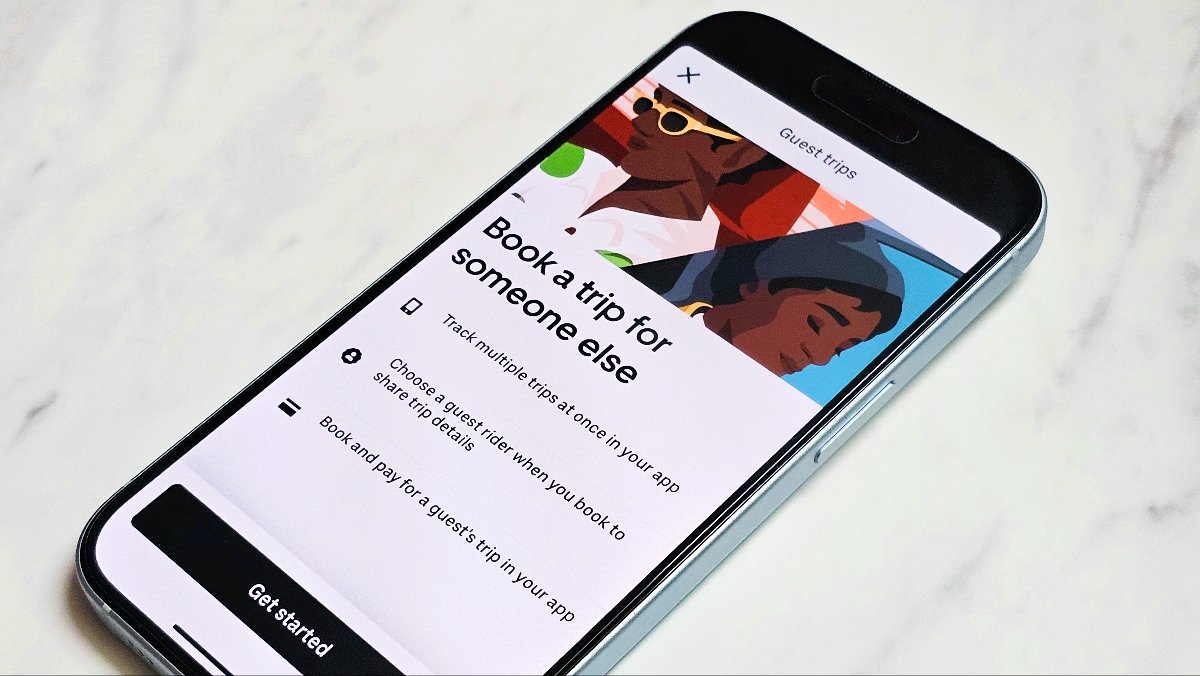
For years, Uber has been talking about becoming a super app. Then Waymo started picking up passengers in San Francisco, and the conversation became more urgent. The company is trying to integrate itself into the AV industry — as a data provider, investor and distribution platform — but the consumer-facing stake may be just as important.
Two weeks ago, Uber held its annual GO-GET product event in New York and announced something its executives have been touting for a long time: US users can now book hotels within the Uber app, through a partnership with Expedia Group, with access to more than 700,000 properties worldwide. Uber One members — the company’s $9.99 per month membership tier — get 20% off a rotating list of 10,000 hotels and 10% back in credits. Vacation rentals through Vrbo will follow later this year, along with restaurant reservations through OpenTable. Meanwhile, a Shop for Me feature lets users order from stores that aren’t even on the platform.
The announcements, taken together, were the most concrete picture yet of something Uber has been trying to envision since at least 2019: that an app with 199 million monthly active users could become the app they use for almost everything.
Uber CTO Praveen Neppalli Naga gave the clearest explanation of the company’s thinking to TechCrunch’s StrictlyVC event late last month in San Francisco. The idea of super apps has been around for years in India and Southeast Asia, he noted, but the US versions have mostly balked at launching the services instead of creating a reason to stay.
His answer to what fits? Membership. Each new category — food, groceries, now hotels — gives someone else a reason to pay for Uber One. “I take an Uber, I go to the airport, I take a flight, I take another Uber, I go to a hotel, I go to a restaurant,” he said. “There’s a flow you can really build into it.”
Flights are not yet available, although Naga has not ruled them out. Uber tried to book flights to Europe years ago without success. “Let’s do the hotel stuff first,” he said. Financial services also sounds like a possibility — Uber already offers a debit card to drivers in Mexico — though how far that goes or when remains unclear. Said Naga, “Never say never.”
Uber is not alone in this fight. Airbnb, arguably the company most directly threatened by Uber’s hotel push, announced its own transportation ambitions in late March — a partnership with Welcome Pickups to offer airport pickups in 125 cities across Asia, Europe and Latin America, structured to keep users inside the Airbnb app instead of sending them to Uber. Meanwhile, Elon Musk has spent three years promising to turn X into an “app for everything” in the WeChat mold, and is now closing in on what he describes as a long-term goal: X Money, a banking and payments platform built inside the social network, is expected to go public soon. X claims 500 million monthly active users.
Techcrunch event
San Francisco, California
|
13-15 October 2026
The big question is how many super apps the US market will actually support. WeChat works in China in part because the alternative was a patchwork of inferior options. In the US, people already have apps they like for most of what Uber wants to do. Consolidating them into a single platform requires either a compelling reason — the Uber One discounts, say — or a seamless enough experience to make the switch worthwhile.
Uber’s bet is that its installed base is the moat. Its users have already submitted a credit card. Getting them to book a hotel or order from a store they would never find on Uber Eats is an easy fix compared to getting them to download something new. Its most recent earnings, reported a few days ago, suggest that Uber Eats may be the strongest argument for that thesis: delivery revenue rose 34% year-over-year in the first quarter to $5.07 billion, easily making it the fastest-growing part of the business and almost even pulling mobility in gross bookings.
Uber’s stock is still down about 8% from a year ago — suggesting Wall Street isn’t entirely convinced. But that’s what the company says 50 million People now pay for Uber One, and together they account for about half of the company’s total bookings.
When you purchase through links in our articles, we may earn a small commission. This does not affect our editorial independence.
