

Close Menu
TechTost
  • AI
  • Apps
  • Crypto
  • Fintech
  • Hardware
  • Media & Entertainment
  • Security
  • Startups
  • Transportation
  • Venture
  • Recommended Essentials
What's Hot

NanoClaw creator rejects $20M takeover offer, raises $12M instead

The Quartermaster builds a sea hive mind

Startup Battlefield 200 applications close on May 27

Facebook X (Twitter) Instagram
  • About Us
  • Contact Us
  • Privacy Policy
  • Terms and Conditions
  • Disclaimer
Facebook X (Twitter) Instagram
TechTost
Subscribe Now
  • AI

    Stability AI releases a new audio model that can create six-minute songs

    20 May 2026

    You can now speak in your Gmail inbox, as seen at Google IO 2026

    20 May 2026

    Anthropic has acquired the programming tools startup used by OpenAI, Google and Cloudflare

    19 May 2026

    SandboxAQ brings drug discovery models to Claude — no computer science PhD required

    19 May 2026

    Amazon’s new Alexa+ feature can create podcast episodes

    18 May 2026
  • Apps

    Figma adds an AI assistant to its collaborative canvas

    20 May 2026

    Google has just announced that it is a contender in AI design at IO 2026

    20 May 2026

    Apple announces accessibility feature updates with Apple Intelligence support

    19 May 2026

    Kin Health raises $9 million to build an AI notebook for patients

    19 May 2026

    Google brings AI and vibe-coded widgets to Android

    18 May 2026
  • Crypto

    As crypto cools, a16z crypto raises $2.2 billion in capital

    6 May 2026

    Coinbase to lay off 14% of staff as part of broader restructuring

    5 May 2026

    British cryptographer Adam Back denies NYT report that he is Bitcoin creator Satoshi Nakamoto

    9 April 2026

    Hackers stole over $2.7 billion in crypto in 2025, data shows

    23 December 2025

    New report examines how David Sachs may benefit from Trump administration role

    1 December 2025
  • Fintech

    Venmo’s biggest makeover in years comes at a very interesting time

    11 May 2026

    Fintech startup Parker files for bankruptcy

    10 May 2026

    Robinhood’s venture fund IPO attracted 150,000+ private investors, CEO says

    7 May 2026

    PayPal says it’s “becoming a tech company again” — that’s AI

    6 May 2026

    Stripe introduces Link, a digital wallet that autonomous AI agents can also use

    1 May 2026
  • Hardware

    Minimalist Light Phone teams up with Andrew Yang’s Noble Mobile, which pays you to stop doomscrolling

    20 May 2026

    Mach Industries just spent $50 million to solve a major defense technology problem

    20 May 2026

    South Korea’s LetinAR makes optics behind AI glasses

    18 May 2026

    Users are turning to jailbreaking their older Kindles as Amazon ends support

    17 May 2026

    Cerebras raises $5.5 billion, then shares soar to $108, first huge tech IPO of 2026

    15 May 2026
  • Media & Entertainment

    ‘Ask YouTube’ Brings AI Chat Search to Video, Adds Gemini Omni to Shorts

    20 May 2026

    Google’s Gemini Omni turns images, audio and text into video — and that’s just the beginning

    19 May 2026

    Theo Baker spent four years researching Stanford. Before he leaves, here’s what he found.

    19 May 2026

    YouTube viewers watch 2 billion hours of Shorts on TV every month

    14 May 2026

    Digg is trying again, this time as an AI news aggregator

    12 May 2026
  • Security

    US cyber agency CISA has exposed bundles of passwords and cloud keys to the open web

    19 May 2026

    Open source tools maker Grafana Labs says hackers stole its code and refuses to pay ransom

    19 May 2026

    NYC Health + Hospitals says hackers stole medical data and fingerprints during breach affecting at least 1.8 million people

    18 May 2026

    Instructure strikes against hackers who breached it twice

    17 May 2026

    US lawmakers demand answers from Instructure after Canvas data breaches

    16 May 2026
  • Startups

    NanoClaw creator rejects $20M takeover offer, raises $12M instead

    20 May 2026

    From teenage hacker to Iron Dome researcher, this founder raised $28M to fight AI phishing

    20 May 2026

    “Survivor” stars Kyle Fraser and Kamilla Karthigesu present a goal-tracking app, Paprclip

    19 May 2026

    Clio’s $500 million milestone comes just as Anthropic steps up to first stage

    15 May 2026

    Startup Battlefield 200 applications close on May 27

    14 May 2026
  • Transportation

    The Quartermaster builds a sea hive mind

    20 May 2026

    OSHA is investigating the death of a worker at SpaceX’s Starbase site

    19 May 2026

    TechCrunch Mobility: The AI ​​skills arms race is coming for the automotive industry

    18 May 2026

    Tesla Reveals Two Robotaxi Accidents With Remote Controls

    16 May 2026

    RJ Scaringe has raised more than $12 billion in three startups, and investors still want more

    16 May 2026
  • Venture

    Startup Battlefield 200 applications close on May 27

    20 May 2026

    Stilta raises $10.5M from a16z and YC to help companies rediscover patents they forgot they had

    20 May 2026

    Forget Streaming: Status AI Raises $17 Million To Turn Social Media Into Interactive Entertainment

    19 May 2026

    For Eclipse, the $2.5 billion Cerebras win is just the beginning of realizing its physical world thesis

    17 May 2026

    General Catalyst posted VC rage bait and it worked, especially on a16z

    16 May 2026
  • Recommended Essentials
TechTost
You are at:Home»Security»Four things we learned when US spy chiefs testified to Congress
Security

Four things we learned when US spy chiefs testified to Congress

techtost.comBy techtost.com12 March 202405 Mins Read
Share Facebook Twitter Pinterest LinkedIn Tumblr Email
Four Things We Learned When Us Spy Chiefs Testified To
Share
Facebook Twitter LinkedIn Pinterest Email

Cyber ​​attacks, regional conflicts, weapons of mass destruction, terrorism, commercial spyware, AI, disinformation, disinformation, deepfakes and TikTok. These are just some of the top perceived threats facing the United States, according to the latest Global Risk Assessment by the US Government Intelligence Agency.

The unclassified report released Monday — disinfected for public circulation — provided a candid annual window into the collective mind of the U.S. intelligence community about the threats it sees facing the U.S. homeland based on its vast intelligence collection banks. Now, in an election year, top US spies are increasingly citing emerging technology and cyber security as a factor in assessing the national security posture.

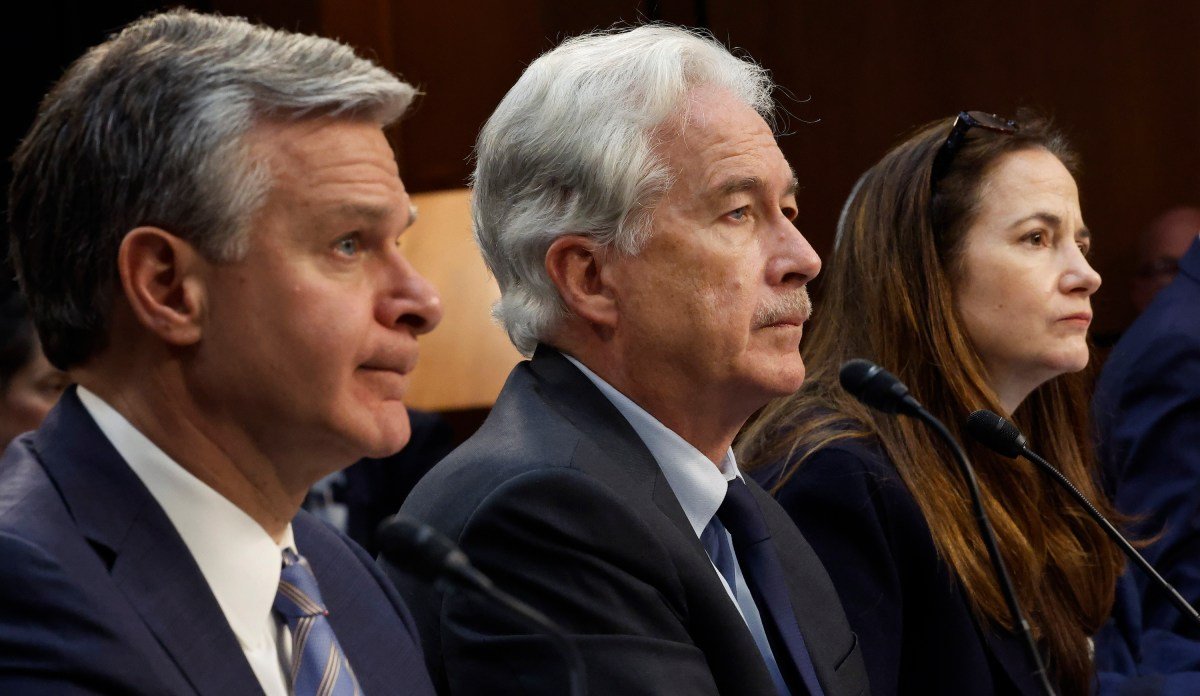
In one unclassified session with the Senate Intelligence Committee on Monday, the top leaders of the US government’s intelligence agencies – including the FBI, NSA, CIA and others – testified to lawmakers largely to answer their questions about the current state of global affairs .

Here’s what we learned from the hearing.

At least 74 countries use commercial spyware

In recent years, the US government has turned its attention to the government spyware industry, which currently consists of companies such as NSO Group and Intellexa, and previously Hacking Team and FinFisher. In its annual report, the intelligence community wrote that, “from 2011 to 2023, at least 74 countries contracted private companies to acquire commercial spyware, which governments increasingly use to target dissidents and journalists.”

The report did not specify where the intelligence community got that number, and the Office of the Director of National Intelligence did not respond to a request for comment seeking clarification.

But last year, the Carnegie Endowment for International Peace, a think tank in Washington, DC, published a report on the global spyware industry which included the same number of countries as well as the same dates as the new intelligence community report. The Carnegie report, written by Steven Feldstein and Brian Kot, is cited data collected by bothwhich they said came from sources including digital rights groups and security researchers who have studied the spyware industry such as Citizen Lab, the Electronic Frontier Foundation and Privacy International, as well as news reports.

It is important to note that the Carnegie dataset, such as the authors explained last year, includes what we call government or commercial eavesdropping, meaning tools for remote hacking and remote monitoring of targets, such as those made by NSO and Intellexa. But it also includes digital forensics software used to extract data from phones and computers that are physically in the possession of authorities. Two of the most well-known manufacturers of this type of tool are Cellebrite and Grayshift, which are widely used in the United States as well as other countries.

The US says it is struggling to tackle ransomware

The US says ransomware poses an ongoing risk to US public services and critical infrastructure because ransomware-related cybercriminals are “improving their attacks, extorting money, disrupting critical services and exposing sensitive data”.

Ransomware has become a global problem, with hacking gangs extorting companies in some cases millions of dollars in ransom payments to get their stolen files back. Some cyber experts have called on governments to permanently ban ransom payments as necessary to stop hackers profiting from cyber crime.

However, the US has eschewed this view and is taking a different approach, choosing to systematically disrupt, dismantle and sanction some of the worst offenders, who are based in Russia and beyond the reach of US justice.

“In the absence of cooperative law enforcement from Russia or other countries that provide cybercriminals with a safe haven or a permissive environment, mitigation efforts will remain limited,” the threat assessment said. In other words, until Russia – and a few other hostile states – give up their criminals, expect ransomware to continue to be today’s snow day.

US warns of growing use of artificial intelligence in influence businesses

The use of genetic AI in digital influence operations is not new, but the widespread availability of AI tools lowers the bar for malicious actors involved in online influence operations, such as election interference and counterfeiting.

The rise of detailed and convincing deepfake images and videos is playing its part in information warfare by deliberately sowing confusion and discord, citing Russia’s use of deepfake images against Ukraine on the battlefield.

“Russia’s influencers have adjusted their efforts to better hide their hand and may use new technologies, such as genetic artificial intelligence, to improve their capabilities and reach Western audiences,” the report warned.

This was something NSA cybersecurity director Rob Joyce echoed earlier in January about how foreign hackers are using chatbot tools to create more convincing phishing messages, but that AI is also useful for digital defense.

The report also noted that China is increasingly experimenting with genetic artificial intelligence, noting that TikTok accounts run by a Chinese military propaganda arm “reportedly targeted candidates from both political parties during the 2022 US midterm election cycle.” .

There are no laws restricting US spies from buying Americans’ data

US spy agencies have caught on to a popular practice: Why get a warrant for data when they can just buy it online? Given how much data we share from our phone apps (which many don’t give a second thought to), US spy agencies simply buy massive amounts of commercially available location and internet traffic data of Americans from data brokers.

How is this legal? After a brief exchange with the head of the Defense Intelligence Agency — one of the agencies confirmed that he bought access to a database containing Americans’ location data — Sen. Ron Wyden noted that the practice was allowed because there is no constitutional or legislative limit on the purchase of commercially available data.

In other words, US spy agencies can continue to buy data on Americans that is readily available for purchase until Congress stops the practice — even if the root of the problem is that data brokers shouldn’t have our data at first.

All included Artificial Intelligence chiefs Congress cyber security Hacking intelligence learned National security privacy Spy Spyware testified Tik Tok
Share. Facebook Twitter Pinterest LinkedIn Tumblr Email
Previous ArticleBacked by Leonardo DiCaprio, YC alum SolarMente wants to help democratize solar power in Spain
Next Article Should artists be paid for training data? OpenAI’s VP wouldn’t say
bhanuprakash.cg
techtost.com
  • Website

Related Posts

Stilta raises $10.5M from a16z and YC to help companies rediscover patents they forgot they had

20 May 2026

US cyber agency CISA has exposed bundles of passwords and cloud keys to the open web

19 May 2026

Apple announces accessibility feature updates with Apple Intelligence support

19 May 2026
Add A Comment

Leave A Reply Cancel Reply

Don't Miss

NanoClaw creator rejects $20M takeover offer, raises $12M instead

20 May 2026

The Quartermaster builds a sea hive mind

20 May 2026

Startup Battlefield 200 applications close on May 27

20 May 2026
Stay In Touch
  • Facebook
  • YouTube
  • TikTok
  • WhatsApp
  • Twitter
  • Instagram
Fintech

Venmo’s biggest makeover in years comes at a very interesting time

11 May 2026

Fintech startup Parker files for bankruptcy

10 May 2026

Robinhood’s venture fund IPO attracted 150,000+ private investors, CEO says

7 May 2026
Startups

NanoClaw creator rejects $20M takeover offer, raises $12M instead

From teenage hacker to Iron Dome researcher, this founder raised $28M to fight AI phishing

“Survivor” stars Kyle Fraser and Kamilla Karthigesu present a goal-tracking app, Paprclip

© 2026 TechTost. All Rights Reserved
  • About Us
  • Contact Us
  • Privacy Policy
  • Terms and Conditions
  • Disclaimer

Type above and press Enter to search. Press Esc to cancel.